American Bully: Breed Guide, Size Classes and How It Differs from the Pit Bull
No, American Bullies are not the same as Pit Bulls. The American Bully is a separate companion breed that was developed from the American Pit Bull Terrier (APBT) and bulldog breeds, and it has its own size classes (Pocket, Standard, Classic and XL) and breed standards. The two look alike, which is why so many American Bullies get called “pit bulls.”
It gets even more confusing online, where you will often see claims that American Bullies, XL Bullies and Staffordshire Terriers are all just “pit bulls.” This guide covers the American Bully as a breed first: where it came from, the four size classes and their heights, the XL Bully, temperament, lifespan and care. Then it puts the Bully next to the American Pit Bull Terrier so you can tell the two apart.
Quick answer
- No. The American Bully and the American Pit Bull Terrier (APBT) are separate breeds.
- The APBT is the older breed (UKC, 1898). The American Bully was developed from it and recognized by the UKC in 2013.
- Bullies are usually wider, shorter and heavier-boned. Pit Bulls are leaner, more athletic and higher-drive.
- “Pitbull” is also used loosely for many mixed, blocky dogs, which is why the two get confused.

FEEDING A PIT BULL?
See the Pit Bull feeding guide
Meat-based 30/20 at 535 calories per cup, how much to feed a 50 lb dog, and real owners’ results.
50,000+ five-star reviews
American Bully Breed Overview
The American Bully is a muscular, wide-chested companion breed developed in the United States from the American Pit Bull Terrier and bulldog breeds. It is recognized by the ABKC and, since 2013, by the UKC. Bullies come in four sizes, Pocket, Standard, Classic and XL, and the breed standard calls for a gentle, people-focused dog with moderate energy. Here is the breed in detail before we compare it with the pit bull.
| American Bully at a glance | |
|---|---|
| Breed group | Companion breed |
| Country of origin | United States |
| Developed | 1980s and 1990s, from the American Pit Bull Terrier with American Bulldog, English Bulldog and Olde English Bulldogge influence |
| Recognized by | ABKC (2004), UKC (July 15, 2013); not the AKC |
| Size classes | Pocket, Standard, Classic (ABKC) and XL |
| Height (males) | Pocket 14 to under 17”, Standard and Classic 17 to 20”, XL over 20 to 23” at the withers |
| Weight | Not fixed by either standard; should be proportional to height |
| Coat | Short, smooth and glossy; any color or pattern except merle |
| Temperament | Gentle, friendly, people-focused; aggression toward people is a serious breed fault |
| Energy | Moderate; a daily walk and short play sessions suit most Bullies |
| Lifespan | Not set by the standards; breed references generally list 10 to 13 years |
Heights and temperament per the UKC and ABKC breed standards.
History: Where the American Bully Came From
While Pitbulls are an older breed, the American Bully has only recently been recognized by the United Kennel Club (though not the American Kennel Club). The American Bully became a recognized breed in 2013 and is a companion dog that was first developed by combining the American Pitbull Terrier, the American Bulldog, the Olde English Bulldogge, and the English Bulldog.
There are three UKC sizes of American Bully dogs: XL (over 20 to 23 inches at the withers/shoulders for males, and over 19 to 22 inches at the withers for females), Standard (17-20 inches at the withers for males and 16-19 inches at the withers for females), and Pocket (14 to under 17 inches at the withers for males and 13 to under 16 inches for females). The ABKC also recognizes a Classic variety. See our breakdown of UKC vs ABKC standards for details.
Breeders started the work in the 1980s and most of the type you see today was set in the 1990s. The goal was a dog with the look and loyalty of the pit bull but built as a family companion: wider, heavier-boned, calmer and with less drive. The American Bully Kennel Club (ABKC) was founded in 2004 and wrote the first standard with its four classes. The UKC followed with its own standard in 2013. The American Kennel Club does not recognize the breed, so an American Bully cannot be AKC registered. The UKC standard describes the breed as "first and foremost, a companion" and lists aggression toward people as a disqualifying fault.
Because the breed grew out of several bloodlines rather than one, you still see a lot of variation in head size, height and muscle from kennel to kennel. The standards exist to pull that range back toward a sound, balanced dog. For how the two registries differ on the details, see our comparison of ABKC vs UKC standards.
American Bully Sizes: Pocket, Standard, Classic and XL
| Size | Male height | Female height | Notes |
|---|---|---|---|
| 14 to under 17” | 13 to under 16” | Compact and heavily muscled | |
| Standard | 17-20” | 16-19” | The original type |
| Classic (ABKC) | 17-20” | 16-19” | Standard height, lighter frame |
| XL | Over 20 to 23” | Over 19 to 22” | Tallest size, often caught up in breed bans |
Heights per UKC and ABKC standards. Weight should stay proportional to height.
Every class is judged to the same standard for head, body and temperament. Height at the withers is what puts a dog in a class, not weight. A Pocket Bully is not a smaller "type" of dog; it is a full American Bully that measures under 17 inches. See our Pocket Bully guide for the smallest class.
The XL Bully: The Largest American Bully Class
The American Bully XL (also written "XL Bully") is the tallest size class of the American Bully: males over 20 to 23 inches at the withers and females over 19 to 22 inches, per the UKC and ABKC standards. Everything else about the XL is the same breed standard as the Pocket and Standard: the same blocky head, wide chest, heavy bone and the same gentle, people-focused temperament. XLs simply carry that build on a taller frame, so a well-conditioned adult male can weigh well over 100 pounds.
Because of their size, XL Bullies are the class most often mistaken for a large pit bull, and the one most often named in breed-specific laws. In England and Wales the XL Bully type was added to the Dangerous Dogs Act in 2024, so dogs there must be registered, neutered, muzzled and leashed in public. Nothing like that applies nationally in the United States, but some cities, landlords and insurers list "pit bull-type" dogs, and an XL Bully usually falls under that label.
No. The American Bully XL is the largest American Bully size, not a type of American Pit Bull Terrier. Because XLs are big and muscular, they are often lumped in with pit bulls, especially in breed bans. Read more about the XL Bully ban and what U.S. owners should know.
Feeding an XL is where owners most often go wrong. A tall, heavy dog needs more total food than a Standard, but it also carries more weight on its joints, so keep it lean: measured meals, a meat-based food with enough protein to hold muscle, and a body-condition check every couple of weeks. Our American Bully feeding guide has cups per day by weight for every class.

American Bully Temperament and Appearance
This breed, regardless of which size, should be friendly and gentle dogs who excel as family dogs. American Bullies should not ever display aggressive behavior towards humans, and to do so would be a serious breed fault. American Bullies should be blocky and have a large and broad head that is proportionate to the dog's size. The breed should have a square, broad and deep chest giving them a powerful appearance.
Unfortunately, while American Bullies are a distinct breed, confusion and fear about them still spreads online. In reality, while no breed of dog is inherently dangerous, children should always be closely supervised around any dog. American Bullies should be friendly companion dogs, and many make excellent family pets if given the right socialization and training.
Lifespan, Health and Care
Neither registry publishes a lifespan for the American Bully. Breed references generally list 10 to 13 years, in line with the other pit bull-type breeds. How long an individual dog lives depends mostly on breeding, weight and care.
The health points a buyer should ask a breeder about are the ones common to heavy, short-coated bull breeds: hip and elbow dysplasia, skin and coat problems, and in the shortest-muzzled dogs, heat and breathing tolerance. Ask for the parents' health testing and look at the dogs in person. Keep your Bully lean, because extra weight on a heavy-boned frame is the easiest way to shorten its working years. Any limp, skin flare-up or breathing trouble is a question for your vet, not a supplement aisle.
Day to day the breed is easy to keep. The short coat needs a weekly brush and the occasional bath. Nails grow fast on a dog that does most of its walking on grass, so trim them every few weeks. Most Bullies do well on a daily walk plus short play sessions; many enjoy the pulling and climbing games of American Bully dog sports when they are introduced gradually. Early socialization and consistent training matter more than for an easier breed, because a 90 lb dog that pulls on the leash is hard to live with.
American Bully vs Pitbull at a Glance
| American Bully | American Pit Bull Terrier | |
|---|---|---|
| Recognized by | UKC (2013), ABKC | UKC (1898), ADBA |
| Bred for | Companion dog | Working and farm dog |
| Height (males) | Pocket 14 to under 17”, Standard 17-20”, XL over 20 to 23” | 18-21” |
| Build | Wide, compact, heavy bone, big head | Lean, athletic, balanced |
| Energy | Moderate | High |
| Temperament | Friendly, laid-back, people-focused | Confident, eager, driven; may be dog-selective |
Heights per UKC breed standards. Weight is not fixed by either standard and should stay proportional to height.
Before we go further, a quick note on fuel: if your Bully or pit bull needs more strength and energy from the bowl, a meat-based, high-protein dog food is the simplest place to start.
Meet the Incredibullz American Bullies and see how the breed differs from the pit bull:

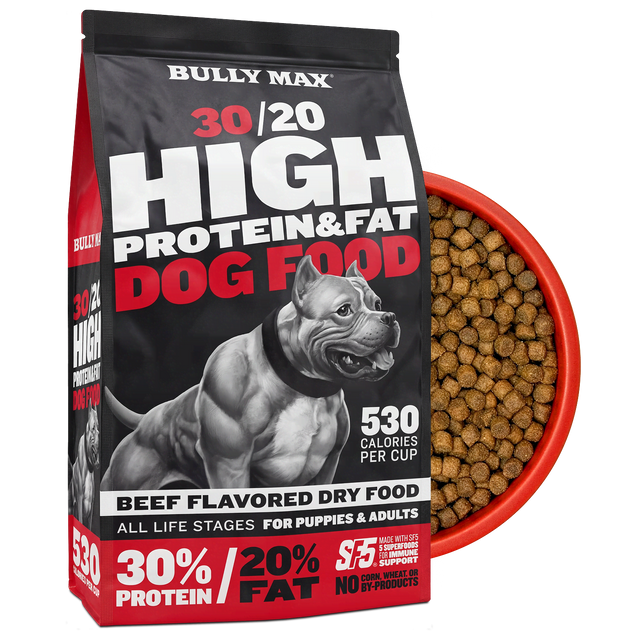
FUEL YOUR DOG WITH BULLY MAX 30/20 HIGH-PROTEIN FOOD
Fuel strength and energy with meat-based nutrition, 30% protein, 20% fat, and 535 calories per cup.
How the American Pit Bull Terrier Is Different
The American Pit Bull Terrier is the older breed the American Bully came from. It was recognized by the United Kennel Club (UKC) in 1898 and is also registered by the ADBA, but not the AKC. Where the Bully was bred as a companion, the APBT was bred as a working and farm dog, and it shows:
- Build: an APBT is leaner and more athletic, with a less extreme head and chest. Males stand 18-21 inches, about the same height as a Standard Bully, but usually weigh less.
- Energy: APBTs are higher-drive and usually need more daily exercise and a job to do.
- Other dogs: both breeds should love people, but APBTs are more likely to be selective with other dogs.
For the full breed profile, including history, size and weight, temperament, health and the ADBA and UKC standards, read our American Pit Bull Terrier breed guide. For growth charts, see average pitbull weight, height and size.

How to Tell an American Bully from a Pit Bull
Side by side, the differences are easier to see. Look at the whole dog, not just the head:
- Width: an American Bully is wider through the chest and front, with the legs set far apart. A Pit Bull is narrower and more balanced front to back.
- Bone and mass: Bullies carry heavy bone and a lot of mass for their height. Pit Bulls look lighter and leaner at the same height.
- Head: Bullies usually have a bigger, blockier head with a shorter muzzle. A Pit Bull's head is broad but more in proportion to the body.
- Height: a Pocket Bully is much shorter than a Pit Bull. An XL Bully can be taller and much heavier.
- Movement and energy: Pit Bulls tend to be springier and more driven. Bullies are usually calmer.
- Papers: the only sure way to know is registration. American Bullies are registered with the UKC or ABKC; APBTs with the UKC or ADBA.

Why So Many Dogs Get Called “Pit Bulls”
Pitbull has become a catchall term for any medium-sized, strong, short-coated blocky dog, including many American Bullies and mixes of bulldogs, boxers and bull terriers. Dogs of a variety of breeds, including Staffordshire Bull Terriers, Dogo Argentino and Cane Corso, are frequently mistaken for pit bulls. That is why an American Bully is so often labeled a pit bull, especially in shelters and breed bans.
Common Misconceptions
As a dog trainer, I frequently see the misconceptions people have about both American Bullies and Pitbulls. There is an unfair stereotype that American Bullies and Pitbulls are mean, dangerous, and aggressive dogs. This is simply not true.
These breeds of dogs can make wonderful companions and great family pets.
However, both breeds need early socialization and training. They are also not the right breed of dog for everyone.
Before getting any dog, it’s important to thoroughly research the temperament of a particular breed. A Pitbull or an American Bully isn't going to have the same temperament as a Golden Retriever who generally will be friends with everyone. However, that does not make either breed bad, dangerous, or aggressive. Make sure that any breed dog you are looking at is going to fit into your family and lifestyle in terms of energy level, size, as well as temperament.
American Bully vs Pit Bull as Family Pets
American Bullies and Pitbulls are strong, large active dogs who need regular exercise and enrichment. This makes them great companions for active people looking to spend a lot of quality time with their dogs.
No breed of dog is going to be the right type of pet for every family. If you’re looking for a dog to go hiking with you every weekend a toy breed might not be right for you. However, if you’re looking for an active athletic dog who bonds closely with their owners, an American Bully or Pitbull could be the right dog for you.
Both breeds are loyal to their families and enjoy staying active. Both can make great pets, but neither is generally recommended for first-time dog owners. In part, this is because they can be wary of strangers, and are not always dog-friendly.
Feeding an American Bully vs a Pitbull
Both breeds are muscular, active dogs, and both do best on a complete diet built around animal protein. The difference is mostly size and energy, not breed:
- American Bullies carry more mass on a shorter frame. Many need fewer calories than their size suggests, so measure meals and keep them lean to protect their joints.
- Pit Bulls are usually lighter but more active. Working, sport and high-drive dogs often need more calories per pound. See feeding an American Pit Bull Terrier.
- Puppies of both breeds need a growth formula with measured meals, not free-feeding.
Use our dog food calculator for a starting portion, then adjust by body condition. For deeper breed-specific advice, see the best dog food for American Bullies and the best dog food for Pitbulls.
Whichever label fits your dog, the feeding needs are the same: a meat-based kibble with enough protein and calories to hold muscle. Our American Bully food guide covers how much 30/20 High Protein (30% protein, 20% fat, 535 calories per cup) to feed by weight.

Hear from Bully Max sponsor Erica Noseworthy:
TRY BULLY MAX 30/20 HIGH-PROTEIN DOG FOOD
Fuel strength and energy with meat-based nutrition, 30% protein, 20% fat, and 535 calories per cup.
Feeding your bully breed
Our breed-by-breed buyer guides compare protein, calories per cup and portions, so you can feed your dog for its size and activity.
- Best dog food for American Bullies
- Best dog food for pit bulls
- Best dog food for Staffies
- Best puppy food for bully breeds
- Best food for French Bulldogs
- Best dog food for Cane Corsos
Family-owned since 2009 · Made in USA · Every batch triple tested · Zero recalls · 50,000+ 5-star reviews · Dog Food Advisor 5/5
Save 10% with autoship and get each bag delivered on a schedule.
Training an American Bully or Pit Bull
All dogs benefit from training, and it’s necessary when bringing home either of these breeds of dogs. American Bullies and Pitbulls are powerful breeds and without training can be difficult to live with. Both breeds should only be trained utilizing positive reinforcement training methods. Positive reinforcement is widely considered the most effective and humane way to train dogs. It helps foster a positive relationship between dogs and handlers.
All dogs should learn basic obedience skills like how to come when called. Training can also include advanced activities like Dog Agility and other sports.
Breed Bans and Legal Considerations
There are also social and legal considerations that can’t be overlooked before bringing home either an American Bully or a Pitbull. If raised properly, both breeds can make great pets. However, because of the misconceptions and irresponsible owners, both breeds are often targeted and discriminated against.
In England and Wales, Pit Bull Terriers and XL Bully-type dogs are banned unless the owner has an exemption certificate. Even in the United States, some cities and other jurisdictions also have enacted Breed Specific Legislation or BSL. This legislation makes it illegal to have one of the banned breeds visit or live in the area.
Even if the breeds are allowed in your area, your housing might reject you for owning one. If you live in an apartment, condo, or have a homeowner’s association, check if they ban certain breeds. Many do, and these breed lists often will include both American Bullies and Pitbulls.
If you own your own home, you may also have difficulty obtaining homeowners insurance if you own one of these types of dogs. In this case, regardless of how kind or well-trained your dog is, you could still be denied housing.
Conclusion
Picking the right breed of dog to bring home is a very personal choice. American Bullies and Pitbulls can and do make wonderful companion dogs for many people. If you want to add one of these dogs to your family, do your research. Make sure the temperament is a good fit for what you want in a pet. Also, be prepared to commit to training and socializing your new puppy to help them grow into a well-behaved and well-adjusted dog.
Unfortunately, the stereotypes and misinformation about American Bullies and Pitbulls persists. Although some people’s minds will never be changed, loving and responsibly owning these breeds can help improve public perception of these dogs.
When you hear or see people make uninformed comments about these dogs, it can also be helpful to interrupt with the truth. This can help stop the spread of harmful misinformation and teach people about how wonderful these dogs actually are.
FAQ
What is an American Bully?
The American Bully is a companion breed developed in the United States from the American Pit Bull Terrier and bulldog breeds. It is recognized by the UKC (since 2013) and the ABKC and comes in Pocket, Standard, Classic and XL sizes.
Is an American Bully a pit bull?
Not as a breed. The American Bully shares ancestry with the American Pit Bull Terrier, but it is a separate breed with its own standard. It is often called a pit bull because “pit bull” is used loosely for many blocky, short-coated dogs.
How big is an XL American Bully?
XL is the tallest class: males over 20 to 23 inches at the withers and females over 19 to 22 inches, per the UKC and ABKC standards. Neither standard sets a weight, but a conditioned adult male XL often weighs well over 100 pounds.
How long do American Bullies live?
The standards do not set a lifespan. Breed references generally list 10 to 13 years. Keeping the dog lean and buying from a breeder who health-tests are the two things an owner controls.
Which is bigger, an American Bully or a Pitbull?
An American Bully is usually wider and heavier, especially the Standard and XL sizes. A Pit Bull is often similar in height but leaner and lighter.
Is an American Bully a mix of breeds?
The American Bully was developed from the American Pit Bull Terrier and bulldog-type breeds, but it is now a recognized breed with its own standard.
Are American Bullies good family dogs?
They were bred as companion dogs, and the breed standard calls for a friendly, gentle temperament. Like any dog, they need early socialization, training and supervision around children.
Is a Pitbull more aggressive than an American Bully?
Neither breed should ever be aggressive toward people. Pit Bulls may be more dog-selective, so careful introductions and training matter.
If you've had experiences with American Bullies or Pitbulls, share your insights in the comments below. How have you helped educate others about these breeds and their characteristics?

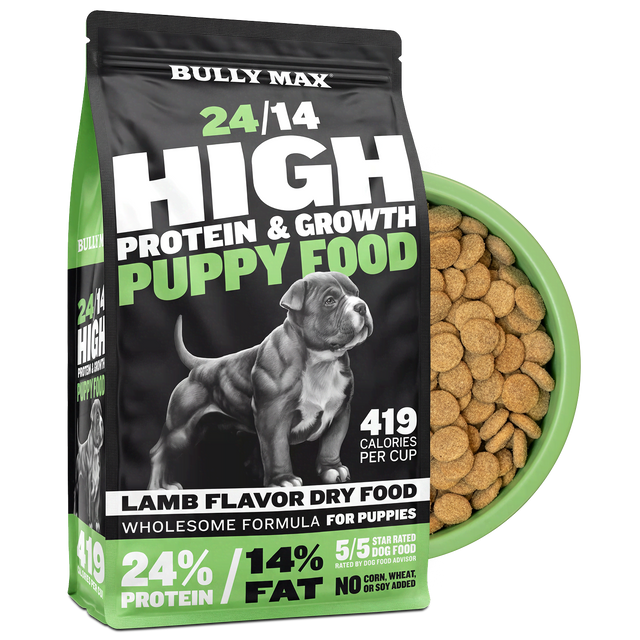
GIVE YOUR PUPPY BULLY MAX 24/14 PUPPY FOOD
Made for growing puppies with 24% protein, real lamb, and TruMune to support digestion and immune health.




94 comments
I am a 71 year old widower and own an American Bully XL. She is the gentelest (sp?) dog. It is true when they call Bullies “couch potatoes” or “house hippos”. I’ve owned many different breeds during my lifetime, and she is the absolute best. They do need basic training when young, so she isn’t people or dog aggressive. I’d recommend this breed to anyone.
Just
We have an American bulldog mix (can’t determine with what) that is nervous and shy at first but warms up and is very friendly. Won’t back down from an aggressive dog, and seems to interact readily. Very loyal playful and loving.
I have an 18 month bully. He’s a big, goofy love bug. I wanted a bully breed after working in vet med because they honestly were the best behaved dogs I had to work with. There pain tolerance made them way easier when they needed something done. Although they do have a lot of anxiety. Luckily my goofball hasn’t shown any anxiety.
They’re dangerous and should be exterminated. Anyone breeding them belongs in prison.