Best Senior Dog Food: How to Feed an Older Dog
The best senior dog food is a complete, high-quality diet with plenty of digestible animal protein, fewer calories if your dog is slowing down, and support for joints, skin and digestion. Most older dogs do not need less protein. They need the right calories, measured portions and a vet check when their weight or appetite changes.

Your adult dog won't thrive on the same food they ate as a young pup, and their needs often change again as they enter old age. A good diet goes a long way in helping manage the conditions that commonly affect older dogs, not least of which is obesity. This guide covers when a dog becomes a senior, how much protein and how many calories older dogs need, what to look for on the label and how to feed senior bully breeds.
Talk to your vet before you make big diet changes for an older dog, especially if they have kidney, liver, heart or dental problems.
When Is a Dog Considered a Senior?
Many dogs are considered seniors at around 7 years, but size matters. You may have heard "1 dog year = 7 human years," but it's not really accurate. Small breeds often reach old age around 8 to 10 years, while large and giant breeds may be seniors at 5 to 7. See the AKC's guide to calculating dog years to human years.
Watch your dog as well as the calendar. Less energy, a graying face, stiffness getting up, cloudy eyes and changes in weight or appetite are all signs of aging. Mention them to your vet. Senior dogs benefit from checkups at least once a year, and often twice.
A quick note on food: for your senior dog, the goal is high protein with fewer calories, and a reduced-fat recipe makes that easy.

KEEP IT LEAN WITH BULLY MAX 25/11 REDUCED FAT FOOD
Chicken-free lamb recipe with 25% protein, 45% less fat, and 415 calories per cup for dogs that need a lighter bowl.
Should All Older Dogs Eat Senior Food?
No. "Senior" is not an official nutrient category, so senior foods vary a lot from brand to brand. If your older dog is healthy, at a good weight and eating a high-quality, complete diet, you don't have to switch.
What matters is that your dog gets enough high-quality protein without too many calories. Senior dogs often need fewer calories than they did as young adults because they are less active, so preventing weight gain becomes more important with age.
Do Older Dogs Need More Protein or Less?
Healthy older dogs generally need at least as much protein as younger adults, and often benefit from more. As dogs age they tend to lose muscle, and enough high-quality protein helps them hold on to it. The old idea that all seniors should eat low-protein food to protect their kidneys does not apply to healthy dogs.
The exception is a dog with diagnosed kidney or liver disease. Those dogs may need a prescription or therapeutic diet, so follow your vet's advice.
What Makes a Good Senior Dog Food?
| Look for | Why it helps older dogs |
|---|---|
| Named animal protein near the top of the list | Helps maintain muscle as dogs age |
| Moderate fat and calories (for less active dogs) | Prevents weight gain that strains joints |
| Omega-3 fatty acids (fish or salmon oil) | Support skin, coat and joint comfort |
| Fiber | Helps a slower digestive system and stool quality |
| Glucosamine and chondroitin (food or supplement) | Commonly used for joint support |
| Easy-to-chew texture | Older dogs may have sore teeth; softening kibble with warm water helps |
| "Complete and balanced" statement | Confirms the food meets nutrient requirements |
Also watch sodium if your dog has heart disease, and ask your vet before adding supplements if your dog takes medication.
If your older dog is slowing down, a lighter recipe can help you cut calories and fat without cutting protein.
A LIGHTER BOWL FOR LESS ACTIVE DOGS
Chicken-free lamb recipe with 25% protein, 45% less fat, and 415 calories per cup for dogs that need a lighter bowl.
How Much Should a Senior Dog Eat?
It depends on weight, activity and health. A good starting point is to feed for your dog's ideal weight and reduce calories by about 10-20% compared with their younger, more active years if they are gaining. Then weigh your dog every few weeks and adjust.
- Use our dog food calculator for a daily amount.
- Check what a healthy weight looks like with our ideal dog weight guide.
- For more on portions, read How Much Should I Feed My Dog?.
Unplanned weight loss in an older dog is a reason to see the vet, not just to feed more. Dental pain, thyroid problems, kidney disease and other illnesses can all cause it. Our guide to causes of weight loss in dogs explains what to look for. Once your vet has ruled out illness, a calorie-dense food or Power Chews for Weight Gain (1,800 calories per bag) can help a thin senior get back to a healthy weight.
Feeding Senior Bully Breeds
Older pit bulls, American Bullies and other muscular breeds are prone to two opposite problems: some put on weight as they slow down, and others lose muscle. Keep enough protein in the bowl, cut calories with a lower-fat recipe if your dog is getting heavy, and keep up gentle daily exercise like walks and swimming to maintain muscle. Heavy dogs carry a lot of load on their joints, so staying lean is one of the best things you can do for their hips and elbows. See our guide to osteoarthritis in dogs for more.
Making Homemade Food for a Senior Dog
Cooking for your dog can be a loving thing to do, but a full homemade diet is hard to balance. Most homemade recipes found online are missing key vitamins and minerals, especially calcium. If you want to feed a fully homemade diet, use a recipe made by a board-certified veterinary nutritionist.
A simpler option is to keep a complete food as the base and add a small homemade topper:
- Lean protein: plain cooked chicken, turkey, lean beef or eggs.
- Easy carbs: plain cooked brown rice, oatmeal or sweet potato.
- Vegetables: lightly cooked green beans, carrots, broccoli or pumpkin.
- Skip: onions, garlic, grapes, raisins, seasoning and fatty scraps.
Keep toppers to about 10% of daily calories so the diet stays balanced, and refrigerate leftovers in an airtight container for no more than three to four days.
Supplements for Older Dogs
Joint, skin and gut support become more useful with age. A daily chew is an easy way to add support for aging joints, digestion and coat alongside a complete meal. Omega-3s from wild-caught salmon oil are another simple addition for skin and coat. Ask your vet before starting supplements if your dog has a health condition or takes medication.

SUPPORT DAILY HEALTH WITH BULLY MAX 9 IN 1
Easy bacon-flavored soft chews with gut, joint, immune, skin, coat, heart, and brain support in one daily chew.
Senior Dog Food FAQ
What is the best food for a senior dog?
A complete, high-quality food with digestible animal protein and calories matched to your dog's activity. For less active seniors that gain weight, a lower-fat recipe like Bully Max 25/11 Lamb (45% less fat, 415 calories per cup) makes portions easier to manage.
Should senior dogs eat less protein?
Healthy seniors should not. Most benefit from as much or more high-quality protein to maintain muscle. Dogs with diagnosed kidney or liver disease may need a vet-prescribed diet.
At what age should I switch my dog to senior food?
There is no fixed age. Consider a change when your dog slows down, starts gaining weight or your vet recommends it, often around 7 years for medium and large dogs.
What should I feed an older American Bully or pit bull?
A meat-based food in measured portions, with fewer calories if your dog is gaining weight and plenty of protein to hold muscle. Add omega-3s and joint support, and keep up gentle exercise.
Is homemade dog food good for senior dogs?
It can be, if a veterinary nutritionist designed the recipe. Otherwise, use homemade food as a small topper on a complete diet.
Helping Your Dog Age Well
Adapting your dog's food as they age is important, and not all that hard to do. Measure meals, keep your dog lean, keep the protein up and see your vet regularly. It isn't easy watching our pups get older, but with the proper care and lots of love we can help them live long, happy lives.
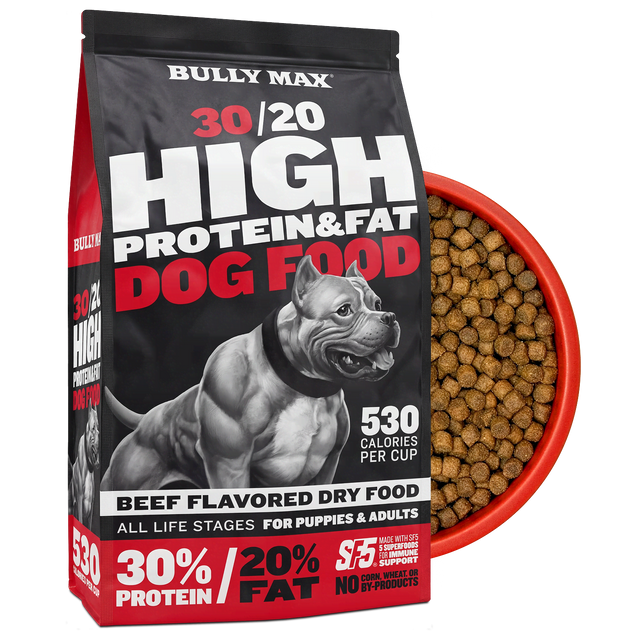
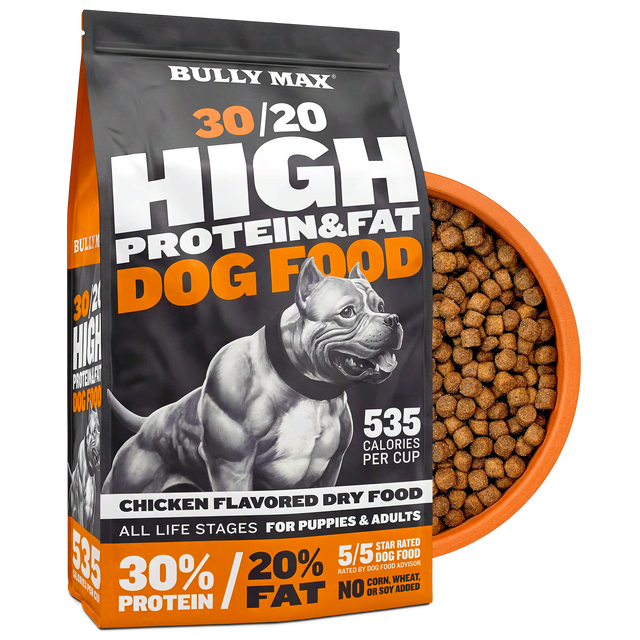
For a less active senior, try Bully Max 25/11 Lamb. For an active older dog that holds weight well, Bully Max 30/20 gives 30% protein and 535 calories per cup.