Why Your Dog Suddenly Sprints in Circles — and How to Channel That Energy
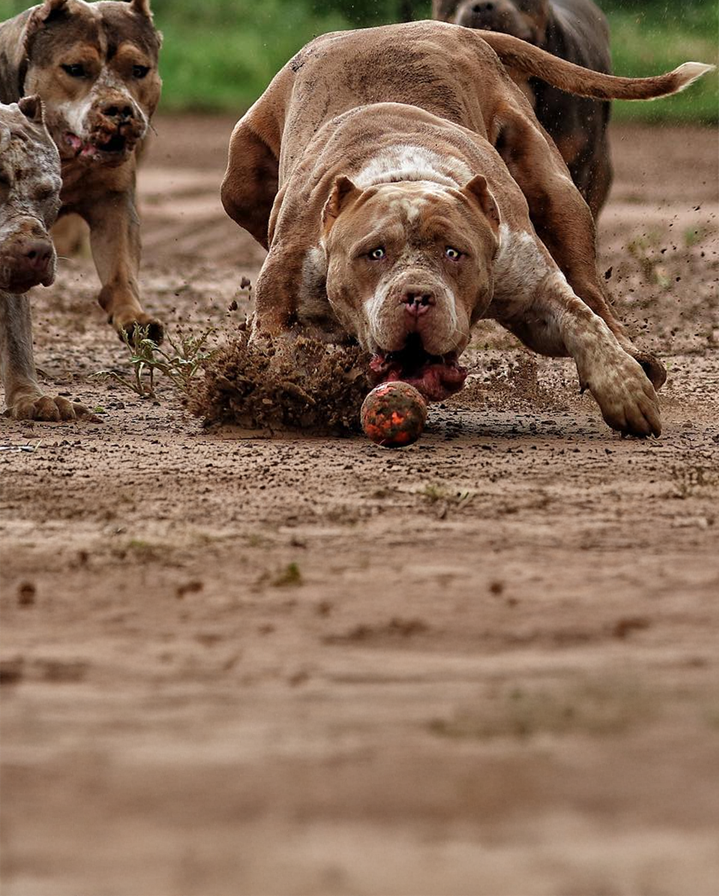
A dog that suddenly tears around the yard or living room at full speed, tucks its rear end and runs laps for a minute, then flops down like nothing happened, is doing something completely normal. It is what some people call "zoomies" (vets call them FRAPs, or Frenetic Random Activity Periods). These bursts are a release of stored energy, and for a 60- to 100-pound pit bull, American Bully, Cane Corso or Rottweiler, they are also a message: this dog has more in the tank than its day is using. Your job is to keep the dog safe in the moment, then give that energy a better outlet through daily exercise, structure and the right fuel.
This guide covers what the behavior is, what triggers it, what it tells you about your dog's exercise and nutrition, and how to channel the drive into work the dog can be proud of.
What Is Happening When a Dog Sprints in Circles
The Cornell College of Veterinary Medicine describes these bursts as Frenetic Random Activity Periods, or FRAPs. There is no known medical cause. They show up in dogs of every age and breed, last anywhere from a few seconds to a couple of minutes, and end with the dog tiring itself out and returning to a normal activity level. The pattern is the same in almost every dog: a wild look, a sudden sprint, tight circles or laps back and forth, then a hard stop.
The simplest way to think about it is a pressure valve. Energy builds up faster than the dog's routine burns it, and the sprint is how the body lets it out. That is why the bursts cluster around the same moments: after confinement, after excitement, after stress, and in young dogs with a lot of drive.

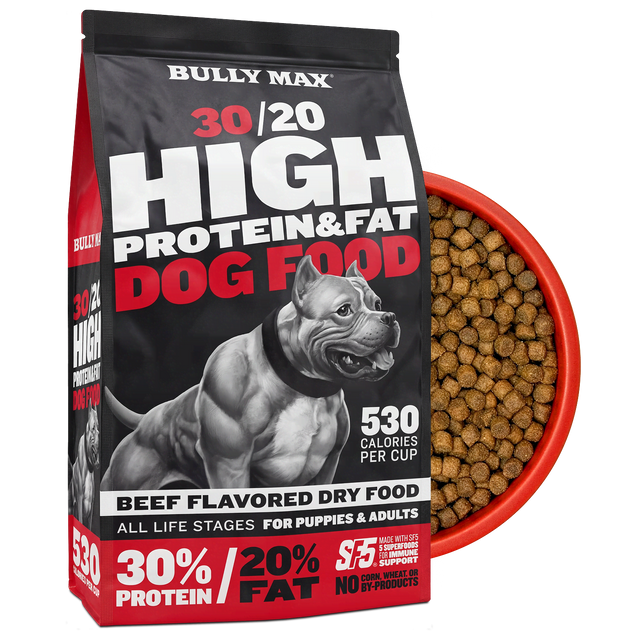
Before we go further, a quick note on fuel. Energy starts in the bowl. If your dog is burning hard every day, a meat-based, high-protein food is the simplest place to make sure the calories in match the work going out.

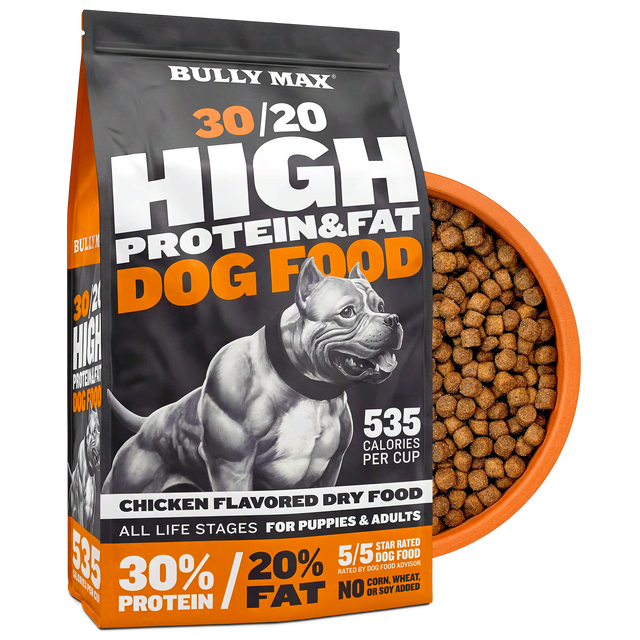
FUEL YOUR DOG WITH BULLY MAX 30/20 HIGH-PROTEIN FOOD
Fuel strength and energy with meat-based nutrition, 30% protein, 20% fat, and 535 calories per cup.
Common Triggers
A sprint session happens when a dog has more energy or arousal than it can hold in. The usual triggers:
- After a bath. Many dogs sprint to shake off water, the smell of shampoo or the stress of bath time. Expect a lap around the house, and keep them off slippery floors.
- After going to the bathroom. Some dogs run and kick after relieving themselves. It may be relief, excitement or scent-marking.
- In the evening. Puppies and young dogs often get a burst at night, sometimes called the "witching hour." It usually means the day did not use enough of their energy.
- When you come home or a favorite person arrives.
- During play, especially with another dog or a new toy.
- After being crated or confined for a while.
- To release stress, for example after a vet visit or a tense moment.
What It Tells You About Your Dog
Most of the time a sprint session is a sign of a healthy, well-fed dog that is excited and has fuel to burn. Read the body language to confirm it. A relaxed dog runs with loose, bouncy movement, soft eyes and an open mouth. A stressed dog runs stiff and tense, with the whites of the eyes showing (often called "whale eye"). The stiff version usually follows a stressful event and is the dog working off adrenaline, not having fun.
How often it happens matters more than whether it happens. An occasional burst after a bath or when you walk in the door is nothing to manage. A dog that sprints laps every evening, or several times a day, is telling you its routine does not match its energy level. That is a training and exercise problem, not a behavior problem, and it is fixable. Dogs that are short on physical exercise or training are the ones that sprint the most.
Working and Bully Breeds Need More Than a Walk
Any breed can do this, and puppies and young dogs do it most because they have the most excess energy. But high-drive breeds do it regularly when they are under-worked: terriers, herding dogs and the strong working breeds that make up most of the Bully Max family.
Pit Bulls, American Bullies and Other Bully Breeds
Pit bulls, American Bullies and other bully breeds were built for athletic work. They are strong, fast and explosive, and a sprinting 60-pound pit bull can take out a person, a lamp or a coffee table in one pass. A bully breed that sprints laps every day is usually telling you it needs more structured exercise and more mental work, not less. See how much exercise a pit bull needs, and try a flirt pole, one of the best ways to burn real sprint energy in a small yard while building drive and control at the same time.
Puppies
Puppies sprint more than adult dogs, often in the evening or right after a nap or a meal. That is normal growth energy. Keep the area safe, keep sessions short with quiet time after, and build a steady routine of play, training, naps and potty breaks so the energy gets used on a schedule instead of exploding at 9 p.m. Our puppy daily schedule lays that out.
How to Channel the Energy
You do not stop this behavior by punishing it. You redirect the energy into work before it builds up. Three things cover almost every case:
1. Enough physical exercise, every day. A leash walk around the block does not touch the tank of a working breed. Add structured activity that lets the dog drive hard: a flirt pole session, fetch with a tough ball, a spring pole, weighted walks, or a tug game with rules. Fifteen minutes of real effort does more than an hour of strolling.
2. Mental work. Training drains energy as fast as running does. Grab a bag of your dog's favorite treats and run obedience reps around the house: sit, down, place, recall. Teach a new skill. Break treats into a snuffle mat or a puzzle feeder. A few focused minutes uses a lot of mental energy and leaves a calmer dog behind.
3. Structure. Dogs that know when exercise, meals, training and rest happen settle faster between them. Feed on a schedule, work on a schedule, and give the dog a place to rest after.
If a sprint session is already underway and you need it to end, do not chase. Most dogs read that as part of the game and run faster. Move a few steps away and call the dog, or toss a toy in the direction you want it to go, then switch to a calmer game. A durable ball or tug from our tough dog toys holds up to high-energy play.
Small, high-value treats make these short training breaks easy. Keep a bag handy so you can reward calm behavior the moment your dog settles.

REWARD CALM WITH HIGH-PROTEIN TREATS
Real beef is the first ingredient in these high-protein crunchy treats made for training, rewarding, and supporting strong dogs.
Keeping a Fast, Heavy Dog Safe
A big dog at full speed can hurt itself or you. Move out of the dog's path instead of trying to catch it. Indoors, keep the dog away from sharp furniture edges and put fragile items away. Slippery floors are a common cause of sprains and torn pads, so a rug runner, or moving the session outside, helps. Give the dog an open area of the house or a fenced section of the yard where it can run safely. Keep it away from roads, stairs, pools, and avoid letting a dog sprint hard in hot weather or right after a large meal.
When to Call Your Vet
Occasional bursts are healthy. But if your dog sprints many times a day, cannot settle afterward, or the running turns into nipping, mounting or destructive behavior, the dog is under-exercised or over-stimulated. Our guide on why your dog is so hyper explains how to fix that with more exercise, mental work and rest. Talk to your vet if your dog spins or runs in a way that looks compulsive, seems unaware of you during episodes, or if an older dog suddenly starts new restless behavior.
Dogs that burn energy with real play are far less likely to sprint laps through the house. A tough ball gives a strong dog a safe outlet for that drive.

TRY THE BULLY MAX HEAVY-DUTY DOG BALL
Built for power chewers. Tough, non-toxic rubber keeps dogs active, engaged, and coming back for more.
Fuel the Work
A dog that trains and plays hard every day burns real calories, and the food has to cover them or the dog loses condition. Use our dog food calculator to check how much your dog should eat for its weight and activity level. For active working and bully breeds, Bully Max 30/20 High Protein delivers 535 calories per cup from meat-based ingredients, so a hard-working dog stays strong and holds a healthy weight. Dogs doing serious sport or conditioning work can step up to PRO Series 31/25 at 600 calories per cup.
Frequently Asked Questions
Is it healthy for a dog to sprint in circles?
Yes, in most cases. It is a normal way for dogs to release energy and excitement. Make sure the dog is in a safe space with good footing, and look at whether its daily routine is giving that energy a better outlet.
Why does my dog run laps after a bath?
Many dogs sprint after a bath to shake off water, get rid of the shampoo smell or release the stress of bath time. Towel the dog off well and keep it off slippery floors.
Why does my dog run around after pooping?
It may be relief, excitement or an instinct to spread scent. It is normal and harmless.
Should I stop my dog from sprinting?
Usually no. Keep the dog safe. If you need it to stop, do not chase; call the dog away with a toy or treat and switch to a calm activity. If it happens every day, add structured exercise and training so the energy is used before it builds up.
Do dogs grow out of it?
Puppies and young dogs do it most. Most dogs do it less as they mature and as their exercise routine matches their drive, but plenty of adult and senior dogs still get the occasional burst.
How do you burn off your dog's energy? Share your training and conditioning routine with us on social media.



1 comment
I have a question and then I need some help with my baby mama‘s dog. She a pitbull sweetheart but she don’t listen to her, but my boys they listen to them