10 Important Tips for Water and Pool Safety for Dogs
To keep your dog safe in the water, make sure they can actually swim (and use a dog life jacket if they cannot), wait at least an hour after a meal before hard swimming, stop them from drinking lake, pool or ocean water, avoid water with algae blooms, fence your pool and teach your dog how to get out, and never leave them in the water unsupervised. Here are 10 water and pool safety tips for dogs, plus the warning signs that mean a trip to the vet.
Swimming is great exercise and one of the best ways to help a dog beat the summer heat. It is also low impact, which makes it easy on the joints. A few simple precautions keep it fun.
Water Safety Tip 1: Know If Your Dog Can Swim
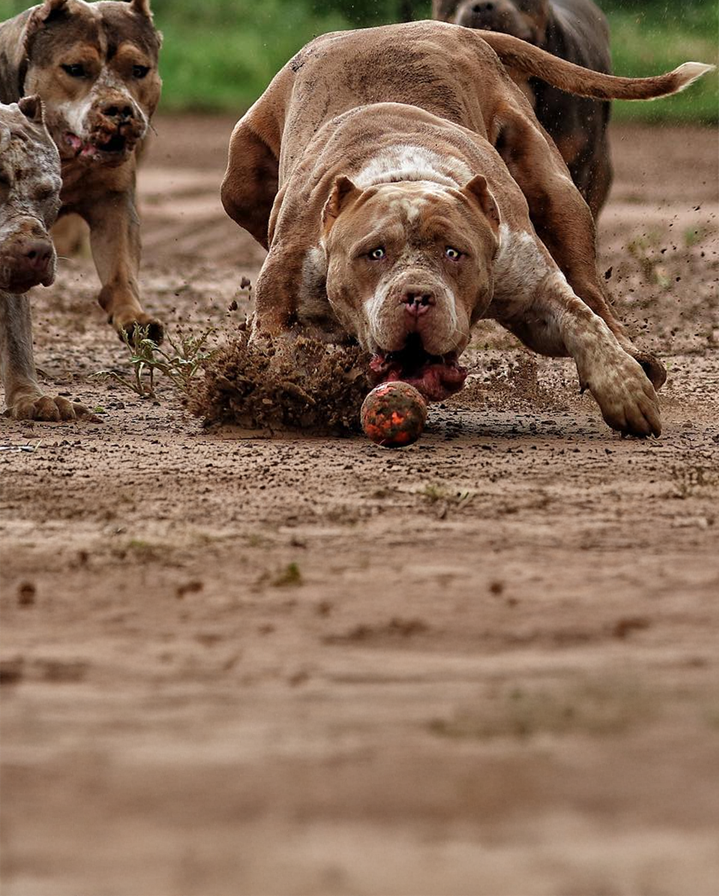
Not every dog is a natural swimmer. Flat-faced (brachycephalic) breeds such as French Bulldogs, English Bulldogs and Pugs have trouble keeping their noses above water and tire quickly. Heavy, muscular, deep-chested dogs, including many American Bullies, can also sink faster than you expect. Short-legged breeds like Dachshunds and Corgis may struggle too.
Even good swimmers get tired. A well-fitted dog life jacket with a handle on the back is cheap insurance, and it lets you lift your dog out of the water quickly. Introduce water gradually in shallow, calm areas, and let your dog go at their own pace.
Before we go further, a quick note on fuel: if your dog needs more strength and energy from the bowl, a meat-based, high-protein food is the simplest place to start.

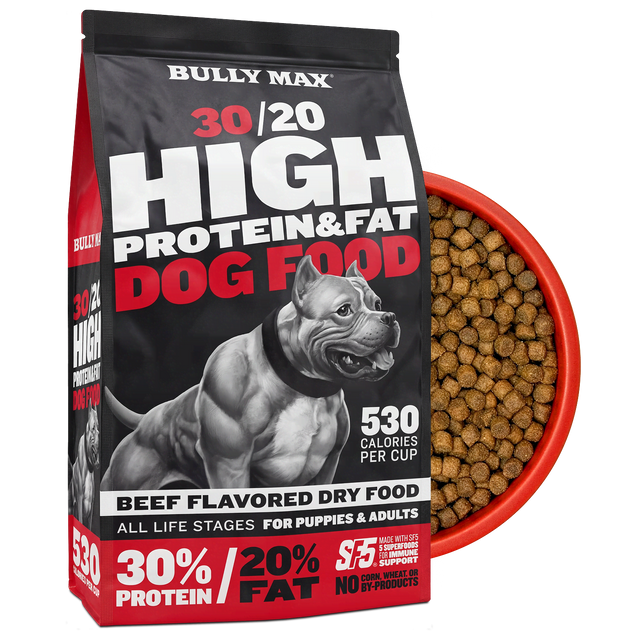
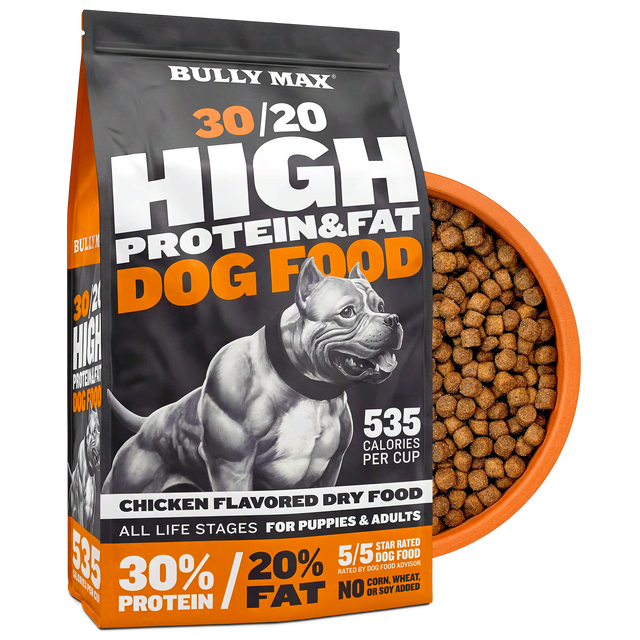
FUEL YOUR DOG WITH BULLY MAX 30/20 HIGH-PROTEIN FOOD
Fuel strength and energy with meat-based nutrition, 30% protein, 20% fat, and 535 calories per cup.
Water Safety Tip 2: Wait After Eating Before Swimming
How long should a dog wait to swim after eating? A good rule is to wait at least an hour after a meal, and longer after a big meal, before swimming or any other hard exercise.
The bigger concern for dogs is not cramps. It is bloat (gastric dilatation-volvulus, or GDV), a life-threatening emergency where the stomach fills with gas and can twist. Large, deep-chested dogs are at the highest risk, and vigorous exercise soon after eating is one of the commonly cited risk factors. Feed smaller meals on swim days, let your dog rest after eating, and offer the main meal after they have cooled down.
Signs of bloat include a swollen, tight belly, retching without bringing anything up, drooling, restlessness and weakness. If you see these, go to an emergency vet right away.
Water Safety Tip 3: Don't Let Them Drink the Water
Lake, river and pond water can carry bacteria, parasites and toxic algae. Pool water contains chlorine. Ocean water is salty, and drinking a lot of it can cause salt poisoning. Bring plenty of fresh water and a bowl, and offer it often so your dog is not tempted.
Also watch dogs that bite at the water, chase sprinklers or retrieve toys over and over. They can swallow so much water that they develop water intoxication, where sodium levels in the blood drop. Signs include vomiting, a bloated belly, lethargy, staggering, glassy eyes or seizures. It is an emergency. Take frequent breaks and use a flat toy that does not make your dog gulp water when retrieving.
Water Safety Tip 4: Avoid Blue-Green Algae
Some algae blooms (cyanobacteria, often called blue-green algae) produce toxins that can make dogs very sick, very quickly, and can be fatal. Dogs can be exposed by swimming, drinking the water or licking their coat afterward.
- Look for green, blue-green or brown scum, paint-like streaks, or foam on the surface, especially in warm, still water.
- Check local water quality and algae advisories before you go. If a beach is closed to people, keep your dog out too.
- When in doubt, stay out, and rinse your dog with fresh water right after any swim in natural water.
If your dog swam in water that might have had an algae bloom and shows vomiting, diarrhea, drooling, weakness, trouble breathing or seizures, go to an emergency vet immediately.
Water Safety Tip 5: Fence In Your Pool
If you have a backyard pool, fence it so your dog cannot get in without you. A dog that falls in alone may not be able to climb out over the edge. See our tips to dog-proof your backyard for other common hazards.
Water Safety Tip 6: Teach Your Dog How to Get Out
Teach your dog where the pool steps or ramp are. Start on a leash in the shallow end, guide your dog to the steps, and reward them every time they climb out. Repeat from different spots in the pool until they head for the steps on their own. A pet ramp helps in pools without steps.
Teaching your dog to find the stairs takes a few short practice sessions. Reward every calm exit with a small treat so it sticks.

MAKE EVERY REWARD HIGH PROTEIN
Real beef is the first ingredient in these high-protein crunchy treats made for training, rewarding, and supporting strong dogs.
Water Safety Tip 7: Never Leave Your Dog Alone in the Water
Only let your dog swim when you are watching. Things can go wrong fast: a tired dog, a strong current, a dog that cannot find the way out of the pool. Watch for signs of fatigue, such as a lower body position in the water, slower paddling or splashing with the front legs, and call your dog out to rest.
Water Safety Tip 8: Watch for Currents, Waves and Cold Water
Rivers and oceans can pull even strong swimmers away. Keep your dog in calm water close to shore, avoid rip currents and fast-moving rivers, and never throw toys into rough water. Cold water tires dogs quickly, and you should keep dogs off frozen ponds and lakes entirely.
Water Safety Tip 9: Rinse, Dry and Check Ears After Swimming
Rinse off chlorine, salt, sand and lake water with fresh water after every swim. Dry your dog well, especially the ears. Water trapped in the ears is a common cause of ear infections, particularly in dogs with floppy ears. Give your dog shade and fresh water while they dry, since swimming in the sun still carries a risk of overheating.
Water Safety Tip 10: Take a Pet First-Aid Class
A pet first-aid and CPR course teaches you what to do in an emergency. Organizations like Pet Tech offer CPR and other first-aid classes for pets. If your dog is ever pulled from the water after struggling, take them to a vet even if they seem fine. Water in the lungs can cause problems hours later.
Fueling an Active Swimmer
Swimming is hard work and burns a lot of energy. Active dogs need enough calories and protein to recover, and our feeding guide can help you adjust portions for activity. For more ways to keep your dog fit, see how much exercise a pitbull needs.
A meat-based, high-protein food helps active dogs refuel after a long day at the pool or lake. Just remember to feed well before or after the swim, not right before it.
TRY BULLY MAX 30/20 HIGH-PROTEIN DOG FOOD
Fuel strength and energy with meat-based nutrition, 30% protein, 20% fat, and 535 calories per cup.
FAQ: Dogs and Water Safety
How long should a dog wait to swim after eating?
At least an hour after a meal, and longer after a large meal, especially for large, deep-chested dogs at higher risk of bloat.
Can all dogs swim?
No. Flat-faced, very heavy and short-legged dogs often struggle. Use a dog life jacket and start in shallow water.
Is it safe for my dog to swim in a chlorinated pool?
Generally yes, if your dog is supervised, does not drink the water and is rinsed afterward. Keep pool chemicals stored out of reach.
What are the signs of water intoxication in dogs?
Vomiting, bloating, lethargy, staggering, glassy eyes, pale gums and seizures after a lot of time in the water. Get to a vet immediately.
Follow these tips and your dog can enjoy the water safely all summer.