Responsible Dog Breeding Tips: How to Check Puppy Buyer References
Responsible breeders ask puppy buyers for references to confirm that a puppy is going to a safe, committed, long-term home. The three most useful references are the buyer's veterinarian, any breeder or rescue they've worked with before, and a neighbor. Together they show how the buyer has cared for animals in the past, whether they keep their promises, and how their dogs actually live day to day.

Responsible Dog Breeding: "Referencing References"
By Christopher "Bully the Kid" Bennett
Today we're going to talk about responsible dog breeding. But first: it seems like everything in life requires references. Whether you are buying a house, buying a car or applying for a job, anything that requires a commitment needs someone to vouch for you.
The dog world is no exception. More and more, responsible breeders ask potential puppy buyers for a list of references. It puts the breeder at ease that the person taking the pup home as a family member is who they appear to be when they show up smiling and kissing cold puppy noses.
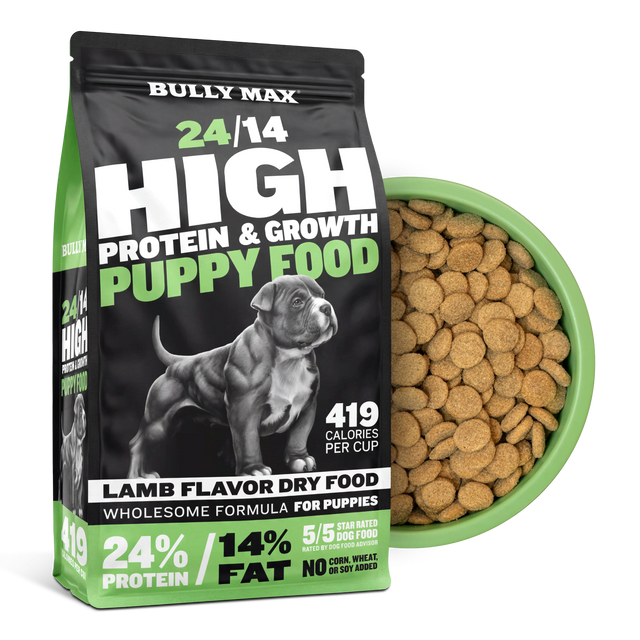
Nutrition does a lot of the work here. A food built for growth gives a puppy the protein and calories a growing body needs, with TruMune to support digestion and immune health.

START YOUR PUPPY ON BULLY MAX 24/14 PUPPY FOOD
Made for growing puppies with 24% protein, real lamb, and TruMune to support digestion and immune health.
In a way, references are a strange thing. You're asking a complete stranger to vouch for another complete stranger. Taking a stranger's word about someone else doesn't automatically make a puppy any safer. So the key is knowing what each reference is supposed to tell you.
Here are the three references we recommend asking for.
1. Veterinarian References
The first reference I like to call is the family veterinarian.
If the buyer doesn't have other pets, this may not be possible. In that case, I still ask whether they've chosen a vet for the new puppy. If they do have a vet, what you really want to know is whether they have a good relationship and whether the clinic would recommend them.
If the clinic is willing to share, try to learn a little more (with the owner's permission, since clinics protect client privacy). Are their dogs up to date on vaccines, especially rabies, and on heartworm and flea prevention? An owner who stays on top of these basics is showing responsible ownership and real commitment to their animals' health. If they do it for the pets they have now, they'll most likely do it for the pup you sell them.
If that vet has seen the owner lose pets to neglect or avoidable accidents, this may not be the right home for your puppy.
Vet references also show how long someone has been a responsible owner. Keep in mind that having used more than one clinic isn't necessarily a red flag. Low-cost vaccine clinics are common in many cities, so some great homes don't have one long-time family vet.
Questions to ask a vet reference
- How long has this person been a client?
- Are their pets current on vaccines and parasite prevention?
- Do they follow through on recommended care?
- Would you be comfortable seeing them take home a new puppy?
Once a home checks out, sending the puppy off with a quality puppy food helps the new family keep the diet consistent from day one.
GIVE YOUR PUPPY BULLY MAX 24/14 PUPPY FOOD
Made for growing puppies with 24% protein, real lamb, and TruMune to support digestion and immune health.
2. Previous Breeders or Rescues
Next on our list is any breeder or rescue that has placed a dog with this family before. There are few better references than someone who has already done exactly what you're about to do. A breeder who sold this family a puppy will usually be honest, and you'll learn a lot: how they cared for the dog, whether they kept in touch, and whether they followed the contract.
Families who send updates to their former breeder are a great sign, and it makes the next breeder or rescue far more comfortable placing a pup with them. The previous breeder can also tell you about promises that weren't kept or contract terms that were broken.
For example, if your contract requires the puppy to be spayed or neutered by a certain age and you learn the buyer never did that with their last dog, that's a bright red flag for whether they'll honor your terms.
On the other hand, glowing reviews from a previous breeder are gold stars. Whether the buyer and breeder still talk, or don't talk at all, speaks volumes.
Questions to ask a breeder or rescue reference
- How is the dog you placed with them doing, and do they keep in touch?
- Did they follow your contract, including spay/neuter and return clauses?
- Would you place another dog with them?
3. Neighbor References
The last reference is often my favorite, especially for long-time dog owners: the neighbor. The look on a buyer's face when you ask for one is usually priceless.
Neighbors know whether the dogs next door are well behaved, whether the owner picks up after them, and whether the dogs live inside with the family or outside in the elements. A good neighbor reference is extremely valuable, and in some cases I weigh it above the other two.
I put neighbor feedback at the top because it tends to be honest. If a neighbor loves the dog next door, the owner is usually a great owner and the puppy will be well cared for. Of course, a buyer won't hand you the number of a neighbor they're feuding with. But sometimes the neighbor they expect to rave about them turns out to be the honest Abe of the block, and that information can be eye-opening.
Questions to ask a neighbor reference
- How long have you known them and their dogs?
- Are the dogs well behaved, contained and cared for?
- Have there been any problems with barking, escapes or aggression?
Other Ways Responsible Breeders Screen Buyers
References work best as part of a bigger picture. Many responsible breeders also:
- Use a written questionnaire about the buyer's home, schedule, experience and plans for the puppy.
- Ask about fencing, landlord or HOA rules, and local breed restrictions.
- Meet the buyer in person, and sometimes visit the home.
- Use a written contract covering health, spay/neuter terms and a return clause, so the puppy always has a place to come back to.
- Stay in touch after the sale to help with training, feeding and growth questions.
If you're on the buying side, our tips on buying a pit bull puppy and how to pick the right puppy explain what a good breeder should ask you, and what you should ask them.
Trust Your Gut
References are great tools, but in the end it comes down to how you feel about your puppy's new home. If you feel great, you'll rarely go wrong. If you feel hesitant and something doesn't sit right, references help you make the best decision for the puppy.
Remember, you are the last line of defense in making sure this puppy goes to a forever home and doesn't end up in a shelter. Do your due diligence. Bumps in the road happen, but it's up to you to tell a sinkhole from a speed bump.
A great start in a new home also means early training. Small, soft treats make it easy for new owners to reward good behavior right away. Point your buyers to our guides on owning a pitbull puppy, puppy essentials and training a pitbull puppy.

MAKE PUPPY TRAINING MORE REWARDING
Soft bite-sized treats with real beef, 22% protein, and DHA to support growth and brain development while your puppy learns.
Do you have a screening process when selling puppies? Comment below to share your process.