Does Your Dog Have Coarse, Brittle Hair? Here's What to Do
Coarse, brittle hair in dogs is most often caused by diet (not enough quality protein or fat, especially omega-3 fatty acids), over-bathing or harsh shampoos, dry weather, or skin problems such as fleas and allergies. Less often, a dull, dry coat is a sign of a health issue like hypothyroidism. Most dogs improve with a better diet, the right grooming routine and a few weeks of patience, but patchy hair loss, red skin or a smell means it is time to see your vet.
How to Tell If Your Dog's Coat Is Healthy or Not
You can usually tell by look and feel. Run your hand along your dog's back and sides, then part the hair and check the skin underneath.
| A healthy coat is... | An unhealthy coat is... |
|---|---|
| Smooth and soft for the breed | Dry, coarse or straw-like |
| Shiny | Dull or faded |
| Full, with normal seasonal shedding | Thin, broken, or shedding heavily out of season |
| Clean and mild-smelling | Greasy or smelly |
| Over calm, clear skin | Over flaky, red, bumpy or itchy skin |
Remember that coat type varies. Some dogs naturally have a coarser coat, and many have stiffer guard hairs along the back and spine than on the belly or legs. A little coarse hair on the back is often normal. What matters is a change from your dog's usual coat.
One easy daily habit for your dog: a pour of wild-caught salmon oil for skin, coat, and overall health.

ADD OMEGA-3S WITH BULLY MAX SALMON OIL
Wild-caught Alaskan salmon oil with omega-3, 6, and 9 plus EPA and DHA. An easy daily pour for skin, coat, and overall health.
Here is that daily pour in action: Bully Max Omega-3 Salmon Oil over kibble at mealtime, to help support healthy skin and a shiny coat. See how much to give by weight.
Symptoms of a Dry, Brittle Coat
Excessive Shedding
Some shedding is normal, especially in spring and fall. Heavy shedding out of season, or shedding that leaves thin or bald patches, can point to fleas, allergies, stress, a skin infection or a hormonal problem. If you see patches, have your vet take a look.
Dull Coat
A healthy coat should have some shine. A dull coat often means the diet is short on fat and essential fatty acids, or the coat simply needs more brushing to spread the skin's natural oils.
Brittle, Coarse Hair
Hair that feels dry and straw-like, or breaks easily, often points back to nutrition. Hair is mostly protein, so a diet low in quality protein can show up in the coat first. Harsh shampoos and frequent bathing can make it worse.
Dry, Flaky Skin
Flakes (dandruff) usually mean dry skin, which can come from low dietary fat, dry indoor air in winter, over-bathing or allergies. Mites can also cause flaking, so persistent flakes are worth a vet visit.
Smelly or Greasy Coat
A strong odor is not normal. It can mean your dog needs a bath, but it can also signal a yeast or bacterial skin infection, ear infection or other issue. See our guide on why your dog smells so bad.
Causes of Coarse, Brittle Hair in Dogs
Nutrition
Diet is the most common and most fixable cause. Your dog's skin and coat need:
- Enough quality protein. Hair is built from protein. Meat-based protein provides the amino acids the coat needs.
- Enough fat. Many owners feed a food that is too low in fat for their dog, and dry skin and a dull coat are classic results.
- Omega-3 and omega-6 fatty acids. These help keep skin supple and support a glossy coat. Fish oils are a common source of omega-3s.
- A complete and balanced diet. Vitamins and minerals such as zinc and vitamin E also play a role in skin health. A complete commercial food covers these; homemade diets often miss them.
Coat changes from diet take time. Hair grows slowly, so give any diet change at least 4 to 8 weeks before judging the result. Switch foods gradually over about a week to avoid stomach upset.
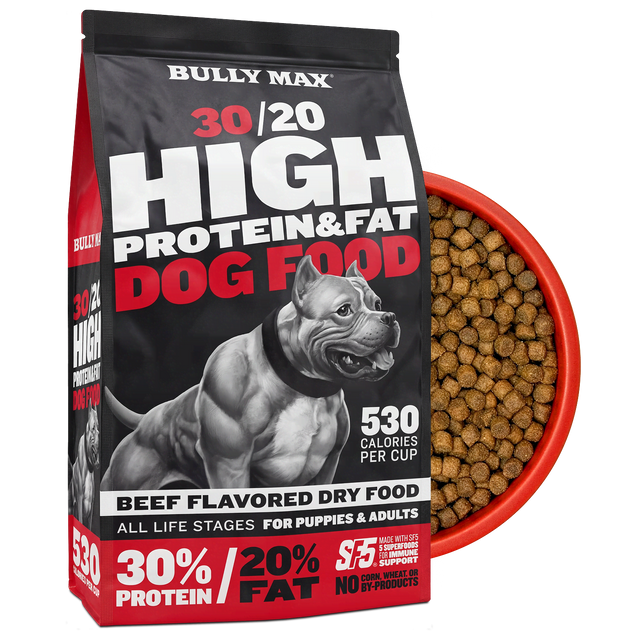
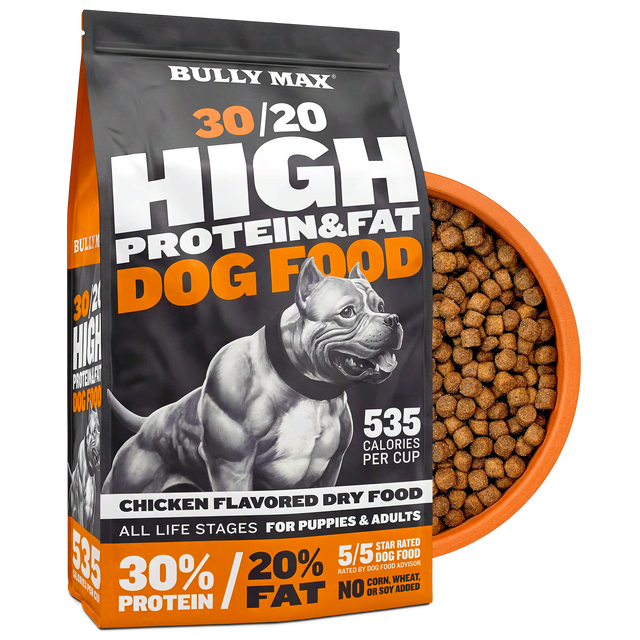
Coat quality starts with the bowl. A meat-based food with solid protein and fat levels gives the skin and coat the building blocks they need.

FEED THE COAT FROM THE BOWL
Meat-based nutrition with 30% protein and 20% fat, at 535 calories per cup. Every batch is triple tested for safety.
Over-Bathing and Harsh Shampoo
Frequent baths, human shampoo and dish soap strip the natural oils from your dog's skin and coat, leaving it dry and brittle. Most dogs do well with a bath every 4 to 8 weeks using a gentle dog shampoo.
Allergies and Scratching
Environmental and food allergies cause itching. Scratching, licking and chewing damage the hair and skin and can lead to infections. Your vet can help find the trigger. Our post on allergies and Benadryl for dogs covers the basics, and our guide to the best dog food for allergies explains how to pick a food once your vet has found the trigger.
Parasites
Fleas, mites (mange) and other parasites can cause itching, flaking and hair loss. Keep your dog on a vet-recommended parasite preventive year-round.
Dry Weather and Environment
Cold, dry winter air and indoor heating dry out skin, just like they do for us. Sun, chlorine and salt water can also leave the coat dry and faded.
Underlying Health Problems
Hormonal conditions such as hypothyroidism and Cushing's disease can cause a dry, thin or brittle coat, often along with weight gain, low energy or hair loss on the body and tail. Poor appetite or weight loss from any illness can also show up in the coat. If coat changes come with other symptoms, see your vet. Underweight dogs often have poor coats too; our guide on signs of malnutrition in dogs explains what to look for.
What Should You Do If Your Dog Has Dry, Brittle Skin and Hair?
1. Check the Diet First
Look at the protein and fat levels on your dog's food and make sure you are feeding enough for their size and activity. Our feeding guide can help. If the food is low in fat or your dog is underweight, a higher-protein, higher-fat food is often the simplest fix.
2. Add Omega-3s
Adding fish oil is an easy way to boost omega-3 fatty acids. Ask your vet how much is right for your dog, especially if they take other medications or supplements.
An easy way to add omega-3s from fish is a daily pour of salmon oil over your dog's food.
ADD BULLY MAX OMEGA-3 SALMON OIL
Wild-caught Alaskan salmon oil with omega-3, 6, and 9 plus EPA and DHA. An easy daily pour for skin, coat, and overall health.
3. Bathe Less, and Gently
Use a gentle, fragrance-free dog shampoo, or try our homemade oatmeal dog shampoo for itchy skin. Rinse thoroughly, since leftover shampoo can dry and irritate the skin. A dog conditioner can help with dryness.
4. Brush Regularly
Brushing spreads the skin's natural oils along the hair, removes dead hair and helps you spot skin problems early. Short-coated dogs like pit bulls and bullies do well with a rubber curry brush or grooming mitt a few times a week. Longer coats need more frequent brushing.
5. Control Fleas and Itch
Stay current on parasite prevention and talk to your vet about persistent itching. Breaking the itch-scratch cycle often lets the coat recover.
6. Consider a Daily Supplement
Some owners add a daily chew with skin and coat support, such as our 9-in-1 Vitality Chews, to round out their routine.
When to See the Vet
See your vet if your dog's coat problems come with any of these:
- Bald patches or hair loss on both sides of the body
- Red, scabby, oozing or smelly skin
- Constant scratching, licking or chewing
- Weight gain, low energy or heat-seeking behavior
- Weight loss or poor appetite
- No improvement after 6 to 8 weeks of diet and grooming changes
FAQ
Why is my dog's hair suddenly coarse?
Common reasons are a recent diet change, a food low in fat or protein, frequent baths, dry weather or skin irritation. If the change is sudden and comes with other symptoms, talk to your vet.
Is coarse hair on a dog's back normal?
Often, yes. Many dogs have stiffer guard hairs along the spine than elsewhere. It is a concern when the texture changes or comes with flaking, hair loss or itching.
How long does it take to improve a dog's coat?
Usually 4 to 8 weeks after a diet change, since new hair has to grow in.


2 comments
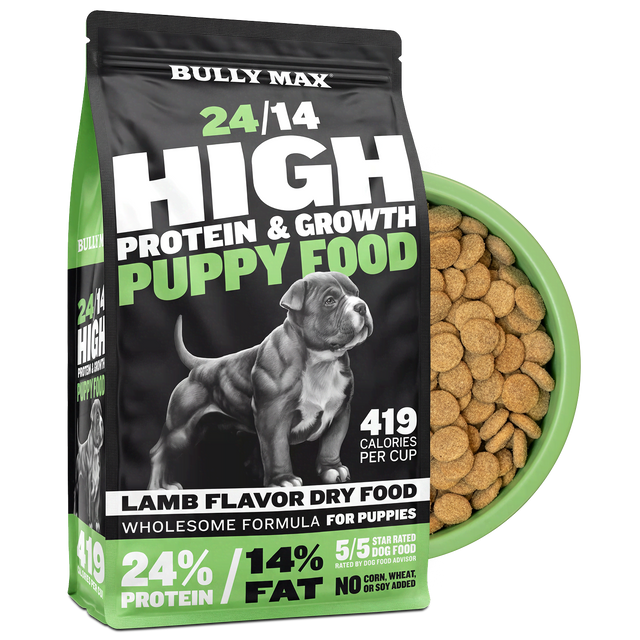
My vet says it’s his food, now I only feed him your bully max. He loves it, but it seems to be his problem
This what my dog got for real