Beginner's Guide to Puppy Health: Vet Visits, Vaccines and Warning Signs
Keeping a new puppy healthy comes down to a few early steps: see a vet within the first few days, follow the vaccine and deworming schedule your vet sets, start parasite prevention, feed a complete puppy food in measured meals, and learn the warning signs that mean "call the vet now." This guide walks through each step so you know what to expect in your puppy's first year.
Choosing to add a puppy to your family is an exciting decision, and your puppy's health is one of the most important parts of ownership. Here's how to give your new pup a healthy start.
How Soon Should I Take My Puppy to the Vet?
Book a visit within the first few days to a week of bringing your puppy home, even if they seem perfectly healthy. Many breeder contracts require a vet check within a set number of days, often around 72 hours. If you adopted from a shelter, the American Kennel Club recommends going right away, since your puppy's background may be unknown.
Bring any records you received: vaccines given and dates, deworming, microchip number, and what your puppy has been eating. A fresh stool sample is helpful too.
What Happens at the First Vet Visit

Your vet will weigh your puppy and do a nose-to-tail exam, which usually includes:
- Listening to the heart and lungs
- Taking their temperature
- Checking eyes, ears, nose, paws, skin and coat
- Looking at the gums, teeth and bite
- Feeling the belly and lymph nodes
- Checking a stool sample for intestinal parasites, which are common in puppies
Your vet will also set a vaccine and deworming plan, talk about flea, tick and heartworm prevention, microchipping, and when to discuss spaying or neutering. It's a great time to ask about feeding amounts and how big your puppy is likely to get.
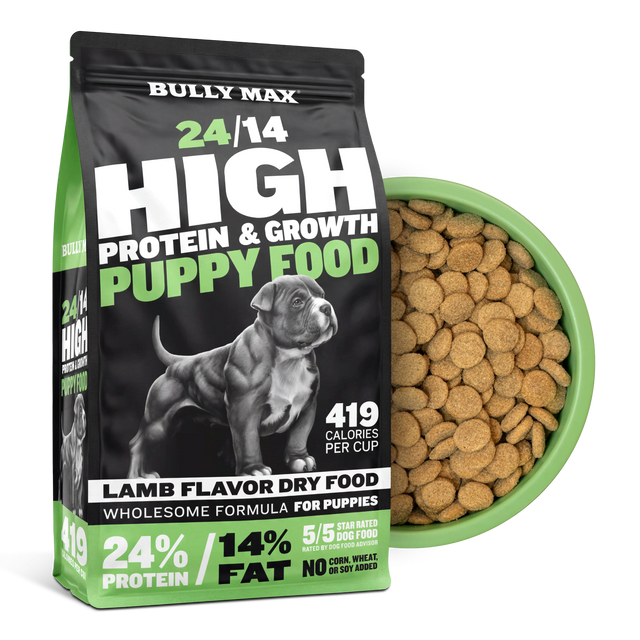
Nutrition does a lot of the work here. A food built for growth gives your puppy the protein and calories a growing body needs, with TruMune to support digestion and immune health.

START YOUR PUPPY ON BULLY MAX 24/14 PUPPY FOOD
Made for growing puppies with 24% protein, real lamb, and TruMune to support digestion and immune health.
Puppy Vaccines: What to Expect
Puppies get a series of vaccines a few weeks apart, usually starting around 6–8 weeks and continuing until about 16 weeks, because the protection they got from their mother fades at different times. Your vet will choose the exact schedule. The AKC has a helpful guide to puppy shots.
- Core vaccines (recommended for all dogs): canine distemper, adenovirus (hepatitis), parvovirus, and rabies (timing set by state law). Parainfluenza is often included in the same combination shot.
- Lifestyle vaccines (based on risk): such as Bordetella (kennel cough), leptospirosis, Lyme disease and canine influenza. Your vet will recommend these based on where you live and what your puppy will do, like boarding, daycare or hiking.
Your puppy isn't fully protected until the series is finished, so ask your vet which places are safe in the meantime. You can still socialize your puppy safely during this time. After the puppy series, your dog will need boosters on the schedule your vet recommends.
Parasite Prevention
- Intestinal worms: Many puppies are born with or pick up roundworms and hookworms. Your vet will deworm your puppy on a schedule and recheck stool samples.
- Fleas and ticks: Ask your vet which preventive suits your puppy's age and weight, and when to start.
- Heartworm: Spread by mosquitoes. Puppies usually start a vet-prescribed preventive early and stay on it year-round in most of the U.S.
Common Health Problems in Puppies
Knowing the common health problems puppies face helps you spot trouble early. Any of these need a vet, not home treatment.
- Parvovirus: A very contagious virus spread through contact with infected feces. Signs include vomiting, bloody diarrhea, lethargy and not eating. It is an emergency.
- Canine distemper: A serious virus spread by unvaccinated dogs and some wildlife, such as raccoons. Early signs can look like a cold: eye and nose discharge, cough, fever and poor appetite.
- Kennel cough: A contagious respiratory infection that causes a persistent, honking cough. Most cases are mild, but puppies should be checked.
- Intestinal parasites and coccidia: Can cause diarrhea, a pot belly, poor growth or dehydration. Your vet will diagnose and treat them.
- Hypoglycemia (low blood sugar): Most common in toy-breed puppies that miss meals. Signs include weakness, trembling and, in severe cases, seizures.
- Skin problems: Mange, ringworm and allergies can show up as hair loss, itching or sores.
When to Call the Vet Right Away
Call your vet now if your puppy has
- Vomiting or diarrhea more than once, or any blood
- Not eating for more than a meal or two, or very low energy
- Trouble breathing, a constant cough, or pale gums
- Weakness, trembling, collapse or a seizure
- Swallowed something they shouldn't (toy, sock, medication, toxic food)
- Straining to pee or poop, or crying in pain
Puppies can get sick and dehydrated quickly. When in doubt, call.
8 Tips to Keep Your Puppy Healthy
1. Start Your Puppy on a Healthy Diet

Feed a complete puppy food labeled for growth, in measured meals (usually three a day until about 6 months). For the first week, keep feeding what your puppy ate before, then switch gradually over 7–10 days. Keep your puppy lean: you should be able to feel the ribs easily. If you have a bully breed, our guide to the best pitbull puppy food goes deeper.
If you want a food made just for growing puppies, our 24/14 puppy recipe is built for this stage of life.
GIVE YOUR PUPPY BULLY MAX 24/14 PUPPY FOOD
Made for growing puppies with 24% protein, real lamb, and TruMune to support digestion and immune health.
2. Stay Up to Date With Vaccines
Finish the full puppy series on time and keep a copy of every record. You'll need them for puppy class, boarding and grooming.
3. Keep Up With Wellness Exams
After the puppy visits, plan on at least a yearly exam. Your vet will check weight, teeth, heart and joints, update vaccines and may recommend routine bloodwork. Early detection makes most problems easier to treat.
4. Stay on Parasite Prevention
Fleas, ticks and heartworms are easier to prevent than treat. Give preventives on schedule, all year if your vet advises it.
5. Start Training Early
Training keeps your puppy safe (a solid "come" and "leave it" can prevent accidents) and gives them mental exercise. Start with our puppy training schedule.
6. Socialize Your Puppy
Positive experiences with new people, places and sounds, mainly in the first three to four months, help your puppy grow into a confident adult that handles vet visits and new situations with less stress.
7. Give the Right Amount of Exercise
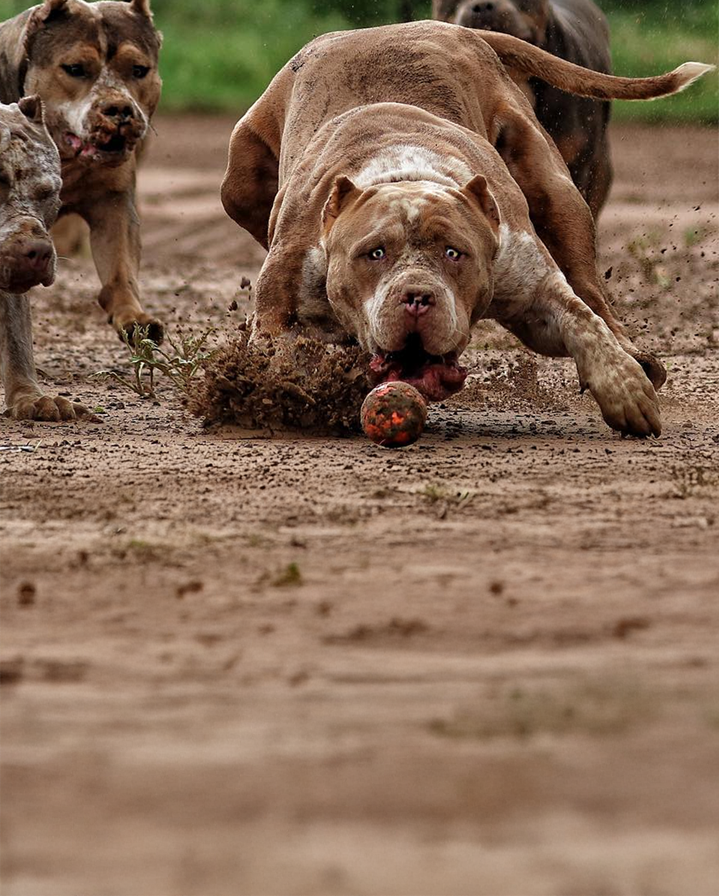
Short walks and play sessions burn off puppy energy. Avoid long runs, forced exercise and repetitive jumping until your vet says your dog's growth plates have closed, which is often around 12–18 months depending on size. Tug and fetch with a durable ball are great outlets in short bursts.
8. Learn Their Normal
Know your puppy's normal appetite, energy, stool, breathing and behavior. Changes in eating, drinking, breathing, scratching or licking paws, or how they hold their ears and tail can be early signs something is wrong.
Don't Forget Dental Care, Grooming and Insurance
- Teeth: Start brushing with dog toothpaste early so it becomes routine. Never use human toothpaste.
- Nails and grooming: Handle paws often and trim nails regularly.
- Pet insurance: Easier to get before any health problems show up. Compare plans while your puppy is young.
For a full shopping list, see our new puppy checklist.
Puppy Health FAQ
When should a puppy have its first vet visit?
Within the first few days to a week of coming home, or right away if your puppy came from a shelter or seems unwell.
How many shots does a puppy need?
Most puppies get a combination vaccine every few weeks from about 6–8 weeks until around 16 weeks, plus rabies. Your vet sets the exact schedule and any lifestyle vaccines.
Is it normal for a puppy to have soft stool?
Occasional soft stool can happen with stress or a food change. Diarrhea that continues, contains blood, or comes with vomiting or lethargy needs a vet visit.
Give Your Puppy a Healthy Start With Bully Max
Feeding the right food is one of the first and most important things you'll do for your puppy. Bully Max is a family-owned U.S. company founded in 2009, and our foods are made in the USA with high-performance, meat-based nutrition. Every batch is triple tested for safety.
Alongside a good puppy food, a daily soft chew can add extra support for growth, immunity and digestion during that first year.

GIVE YOUR PUPPY EXTRA DAILY SUPPORT
Easy bacon-flavored soft chews with colostrum and gut nutrients to support healthy growth, immunity, and digestion.
Explore Bully Max puppy food and supplements to support your puppy from day one.


2 comments
My dog has been eating your food since we got him at 8 weeks, started on the puppy food then moved on to adult food, and muscle growth. Plus what we add to your food only adds to its nutritional value.
Wow, this was so much great information very condensed. Thank you!! Sharing this with others.