How Do I Firm Up My Dog's Stool?
To firm up your dog's stool, start with the food bowl: feed one consistent, complete diet, measure portions so you aren't overfeeding, cut back on treats, table scraps and fatty foods, and switch foods slowly over about a week. A spoonful of plain pumpkin, a dog-specific probiotic and fresh water at all times help too. If soft stool lasts more than a day or two, or your dog also seems sick, call your vet.
Soft stool is a common issue among our canine friends, and in most healthy adult dogs it comes down to diet. Read on for the most common reasons your pup's poop is too soft, the changes that usually fix it, and the warning signs that mean it's time for a vet visit instead of a home fix.
Canine Digestive Health

Digestion is extremely important for your dog's well-being. Their digestive system is responsible for processing food, absorbing vitamins and nutrients, and disposing of waste matter.
The digestive tract of a dog is much shorter than that of a human, and food moves through it faster. Dogs also have a different profile of digestive enzymes, which is one of the reasons they handle some foods we can't, and struggle with others we eat every day.
Bowel movements are one of the best indicators of digestive health. You want your dog's stool to be solid and firm but not rock hard. Having soft movements every once in a blue moon is not a big deal. But when it happens continuously, it's time to consider making some changes.
A quick note on food: for your dog, the goal is high protein with fewer calories, and a reduced-fat recipe makes that easy.

KEEP IT LEAN WITH BULLY MAX 25/11 REDUCED FAT FOOD
Chicken-free lamb recipe with 25% protein, 45% less fat, and 415 calories per cup for dogs that need a lighter bowl.
What Healthy Dog Poop Looks Like
It helps to know what you are aiming for. Use this quick guide when you pick up after your dog:
| Stool | What it looks like | What to do |
|---|---|---|
| Ideal | Firm, log-shaped, slightly moist, easy to pick up, chocolate brown | Nothing. Keep the diet consistent. |
| Soft but formed | Holds its shape but smears or leaves residue | Review portions, treats and recent food changes. |
| Unformed / pudding-like | Piles up, no real shape | Simplify the diet for a few days and watch closely. |
| Watery diarrhea | Liquid, can't be picked up | Keep water available and call your vet if it lasts more than a day or your dog seems unwell. |
| Black, tarry or bloody | Dark and sticky, or red streaks or clots | Call your vet right away. |
Why Does My Dog Have Soft Stools?
It's important to note that there's a difference between soft stools and diarrhea. Soft stools are still formed, and you are able to pick them up and dispose of them. Diarrhea is more liquid than solid and is impossible to pick up.
Diarrhea can often be caused by an infection, parasites or something your dog ate. Soft stool in an otherwise healthy, happy dog is more often linked to everyday diet habits. The most common causes are:
- Overfeeding. More food than your dog can digest means more water and undigested food in the stool. This is one of the most common causes of soft poop in healthy dogs.
- A sudden food change. Switching brands or proteins overnight doesn't give the gut time to adjust.
- Too many treats, chews and table scraps. Rich extras add fat and variety the gut isn't used to.
- Fatty or greasy foods. Fried food, bacon grease and fatty meat trimmings are hard for dogs to digest.
- Dairy. Many dogs don't digest lactose well.
- Food intolerance. Some dogs do better on a different protein or a lower-fat recipe. Our guide to dog food for sensitive stomachs explains what to look for on the label.
- Stress. Travel, boarding, moving or a new pet can loosen stools for a few days.
- Medications, parasites or illness. These need your vet to sort out.
Has your pup gotten into something she shouldn't have? Did your dog's stool consistency change when you switched to a new brand of dog food? Are you scooping the same amount even though the new food is richer? These are all important things to consider when determining why your dog is having soft stools.
Dog's Behavior with Soft Stool
It is important to watch your dog's behavior if he starts to have soft stools. A dog with soft stool but is acting normally is not a cause for panic. This may be a simple case of food intolerance or a rich meal. Take note of the frequency of soft stools and start with the simple diet fixes below. A dog with soft stool for more than a day or two despite normal behavior should be checked by a vet.
A dog with soft stool that is not acting normally may have a more serious problem. Fatigue and lethargy may show up as sleepiness, walking slowly, reluctance to get up and play, and not wanting to go for a walk. Dogs in pain may be irritable and vocal. Other symptoms to look out for are vomiting, lack of appetite and a tense or swollen belly. All of these warrant a call to the veterinarian right away.
Call your vet right away if
- Your dog is a young puppy, a senior, or has a health condition
- There is blood in the stool, or the stool is black and tarry
- Your dog is also vomiting, especially if they can't keep water down
- Your dog is lethargic, weak, has pale gums or a painful or bloated belly
- Your dog may have eaten a toxin, medication or a foreign object
- Diarrhea lasts more than a day, or soft stool keeps coming back
Dog Diarrhea: What Causes Loose Stool in Dogs?
Diarrhea is an abnormal bowel movement characterized by loose, watery stools, often several times a day. It can become serious because it can lead to dehydration, especially in puppies, small dogs and seniors. Common causes include garbage consumption, dietary indiscretion, fatty foods, food intolerance, medications affecting gut flora, infections, parasites, and stress.
The onset of diarrhea may be acute or chronic. Acute diarrhea typically lasts a day or two and often goes away once the cause is removed, for example after a dog raids the trash. Chronic diarrhea is persistent or keeps coming back over weeks, and it always needs a vet workup to find the cause. Very young and old dogs are more vulnerable, and infections and parasites usually need treatment from a veterinarian. For the full list, see our guide to the most common causes of dog diarrhea.
Immediate Steps for Mild Diarrhea
If your adult dog has a mild bout of loose stool but is bright, alert and eating, these steps are a sensible start:
- Keep fresh water available at all times. Dogs with diarrhea lose fluids fast. If you think your dog is getting dehydrated, ask your vet whether a pet electrolyte product makes sense rather than mixing your own.
- Remove the cause. If you know what triggered it (trash, a new treat, table scraps), take it away.
- Feed small, simple meals. Many vets suggest a short-term bland diet, such as plain boiled skinless chicken or lean turkey with white rice, in small portions. Ask your vet before withholding food, and never fast puppies, toy breeds or dogs with health conditions.
- Go back to the regular food gradually over a few days once stools firm up.
Our guide to helping your dog's upset stomach covers bland-diet meals and hydration checks in more detail.
What Can I Give My Dog to Harden His Stool?
There are a number of ways to firm up your dog's stool, and the best place to start is food, not medicine:
- Plain canned pumpkin (100% pumpkin, not pie filling). Its fiber helps absorb extra water in the gut. Start with a small spoonful mixed into a meal.
- White rice as part of a short-term bland diet.
- A probiotic made for dogs to support a healthy gut balance.
- Fiber supplements, only with your vet's guidance, since the right type and amount depend on the cause.
Don't give your dog human anti-diarrhea medicine or leftover antibiotics on your own. Some human products contain ingredients that aren't safe for dogs, and some can be dangerous for certain breeds or hide a problem that needs treatment. If soft stool is a long-term problem, your vet can examine your dog, check a stool sample for parasites and prescribe the right treatment if one is needed. Always speak with your veterinarian before starting your dog on any new medications or supplements.
People commonly treat runny stools and tummy aches with food changes first, and that's usually the right call. In fact, there are quite a few things you can do to support healthy digestion, which the following sections will discuss.
Top Tips for How to Firm Up Dog Poop
There are a lot of actions you can take to support your pup's digestive system at home. Here are the top ways to firm up your dog's poop.
1. High-Quality, High-Protein Diet
To have normal bowel movements, dogs need a balanced diet with a good amount of digestible protein. A high-quality, meat-based food fed consistently is your best bet. Constantly rotating brands, flavors and toppers is one of the most common reasons a dog's stool never settles.
It's also important to choose foods with transparent nutritional labels. It may sound obvious, but it's vital to know exactly what is in the food products you are purchasing. Our guide to dog food ingredients to look for and avoid can help you read a label.
You don't need to spend a fortune, but expect to pay a little bit more for higher quality ingredients.
2. Get Rid of Dairy
Dairy is one of the main causes of soft stool for dogs, so remove it from your pet's diet. As much as they may love milk, dogs just can't digest it very well. This one adjustment alone may solve all your issues.
If you have a young puppy who's on a milk replacement product, ask your vet about a lactose-free milk replacer made for puppies if they're passing runny stools.
3. Feed the Right Amount
This may sound counterintuitive, but feeding your dog less is often the fix. Overfeeding is one of the most common reasons healthy dogs have soft, bulky stools, because the gut can only absorb so much at once.
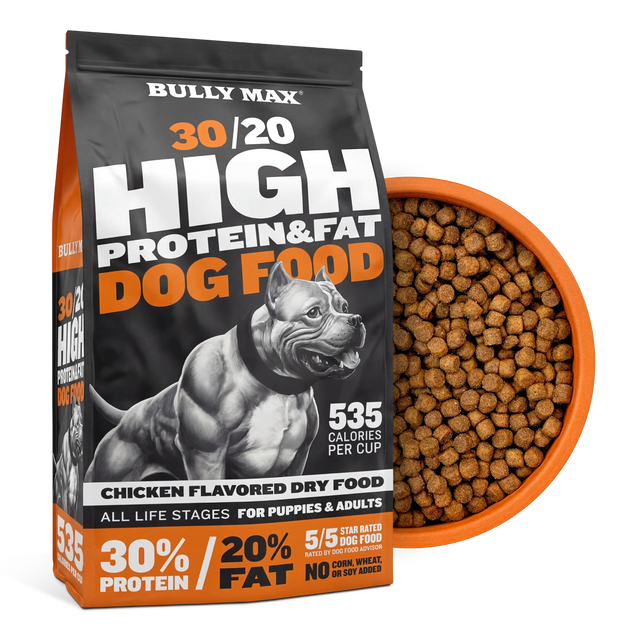
Measure every meal with a real measuring cup and count treats as part of the day's food. This matters even more with calorie-dense foods. Bully Max 30/20 has 535 calories per cup, so if you scoop the same amount you fed of a lower-calorie food, your dog may be eating more than they need. Use our dog food calculator or our feeding guide to find the right amount, and split the day's food into two meals.
As a general rule of thumb, you should be able to feel your dog's ribs without pressing hard. If you can't, your dog may be overweight and portions should come down.
4. Avoid Fatty Foods
Limiting fatty foods and sticking with blander, milder foods will also help to firm up your dog's bowel movements. Cut out fatty meat trimmings, bacon grease and rich leftovers.
Improvements may not happen overnight, so make sure to stick with this mild diet until you do notice some substantial benefits.
Keep in mind that any food fried in oil is tremendously difficult for doggies to digest. Feeding your dog fast food or deep-fried foods is one of the worst things you can do in this situation.
That's right, no more cheeseburgers!
If richer meals tend to upset your dog's stomach, a lighter recipe can help. Our reduced fat lamb formula has 45% less fat and no chicken.
TRY BULLY MAX 25/11 REDUCED FAT DOG FOOD
Chicken-free lamb recipe with 25% protein, 45% less fat, and 415 calories per cup for dogs that need a lighter bowl.
5. Probiotics
Just like humans, dogs rely on a population of bacteria in their gut to digest their food. An imbalanced diet can support the growth of unhealthy bacteria in the gut, and this can lead to digestive issues and even diarrhea.
Probiotics introduce good bacteria into the gut and can help support a healthy balance. Please note that the digestive bacteria of dogs is not the same as that of humans, so look for a probiotic that's made specifically for dogs. If you're in doubt, call your veterinarian's office. They will help guide you to the appropriate products.
6. Drink More Water
Your dog should have access to clean, fresh drinking water at all times. Being hydrated is crucial when it comes to healthy digestion. Diarrhea can also cause dehydration, so it's really important to have fresh drinking water available 24/7.
Water also works with fiber in the gut to keep your dog regular. Just remember to clean their water dish often so they aren't drinking dirty water.
7. Add More Fiber
Adding a little fiber is a great way to firm up your dog's poop. Fiber absorbs extra liquid in the digestive tract, which helps to harden your dog's stool.
As we've previously mentioned, plain pumpkin is great for digestion and it contains lots of healthy fiber as well. White rice and cooked oats are also gentle options. A few pieces of plain cooked carrot or green beans can add a little extra fiber. Avoid canned veggies with added salt or seasoning.
It can take the system a few days to adjust to a new fiber intake. For that reason, you should increase their fiber intake in small steps, over the course of a few days to a week.
8. Switch Foods Slowly
Any time you change foods, mix the new food in gradually: about 25% new for the first two days, 50% for days three and four, 75% for days five and six, and 100% new by day seven. Sensitive dogs may need a slower switch.
9. Cut Back on Treats and Chews
Treats and chews add up quickly. Keep them to a small share of your dog's daily calories, stick to one or two kinds your dog tolerates well, and skip new treats until stools are firm again.
Gut support works best as part of a steady daily routine. A soft chew is an easy way to add it alongside a consistent, high-quality diet.

ADD DAILY GUT SUPPORT WITH BULLY MAX 9 IN 1
Easy bacon-flavored soft chews with gut, joint, immune, skin, coat, heart, and brain support in one daily chew.
If Diet Doesn't Improve Dog's Stool, Visit a Vet
If you've made these improvements to your dog's diet and they're still passing overly soft stools after a week or two, call your vet and schedule an appointment. A stool test can rule out parasites, and you'll feel better knowing that there aren't any underlying health problems.
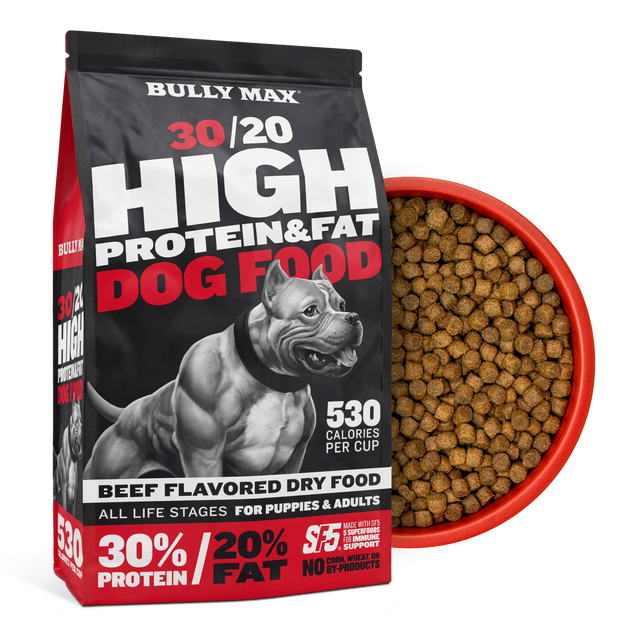
Oh, and if you're thinking of trying a new dog food to help firm up your dog's stool, you'll want to check out our high-protein dog food. It's a meat-based chicken recipe with 30% protein, made in the USA, with every batch triple tested for safety. Just remember to switch over slowly and measure portions.
Frequently Asked Questions
How can I firm up my dog's poop quickly?
For a healthy adult dog with mild soft stool, remove the likely cause, offer small bland meals such as plain boiled chicken and white rice, add a small spoonful of plain pumpkin and keep fresh water available. Most mild cases improve within a day or two. If they don't, or your dog seems unwell, call your vet.
Does rice firm up dog stool?
Plain white rice is gentle and easy to digest, which is why it's part of most bland diets. It's meant for a few days, not as a long-term diet. Return to your dog's regular complete food gradually once stools firm up.
Is pumpkin good for dogs with soft stool?
Plain canned pumpkin (not pie filling) adds fiber that can help absorb extra water in the gut. Start with a small amount and ask your vet how much suits your dog's size.
Why is my puppy's poop soft?
Puppies often have softer stool after a food change, from eating too much, or from stress in a new home. Parasites are also common in puppies. Because puppies dehydrate quickly, call your vet if diarrhea lasts more than a day or your puppy is tired, vomiting or not eating. See our beginner's guide to puppy health.
Can a new dog food cause soft stool?
Yes. A sudden switch is one of the most common causes. Transition over about seven days and measure portions, especially if the new food has more calories per cup than the old one.
Get Your Dog's Digestion Back on Track
Most soft stool problems come down to consistency: the same complete food, the right portion, fewer extras and slow changes. Start there, watch the yard for a week, and bring your vet in whenever your dog seems sick or the problem keeps coming back. When you're ready to choose a food to stick with, compare our recipes on the Bully Max dog food comparison chart or start with Bully Max 30/20 High Protein.
Ready to get started? A reduced-fat, chicken-free recipe gives your dog high protein with 415 calories per cup.
READY TO START? TRY BULLY MAX 25/11 REDUCED FAT FOOD
Chicken-free lamb recipe with 25% protein, 45% less fat, and 415 calories per cup for dogs that need a lighter bowl.


17 comments
I have to try a high protein diet for my dog’s soft stool. It’s very annoying cuz I’ve never had a dog with soft stools b4.
I need the name of the hotel gh protein dog food as it was not included.
Thnx
I have an 20 month old Alaskan Malamute. She has had loose stool for over a week now. She’s been to the Vet. They took X-rays, did blood work, checked a stool sample and everything but an inflammation in her stomach was negative. They gave me medication for her which was finished. They gave me a probiotic to give her once a day. I’ve been feeding her chicken and rice for 5 days now and she still has loose stools. She doesn’t go more than once or twice a day. She is a very anxious dog. She paces alot. Could stress be her problem? I’ve already spent 917.00 on a Vet visit. Any suggestions??
Hi, Lois. You can try BULLY MAX 26/14 SMALL BREED DOG FOOD. This product contains beneficial postbiotics that can improve gut health. Make sure to follow the recommended diet transition of 1-2 weeks.
1 of my Dogs has been to the vets His poop is still soft and times hard to pick up…
The other dog has soft stool also
Am I feeding them the wrong kind of kibble
Gone from purina Weight loss
To pedigree small kibble chicken.
Both of these foods are not helping me .. please suggest me what kind of kibble should I be feeding them .
They are chihwawa ( spelling )
Please help me..
Thanks proud parent of 2 lovable
Chowawa (sp)
Waiting to hear from you ….
Thanks Lois