Puppy Shots at Home: What to Know Before You Vaccinate
Some feed and farm stores sell 5-in-1 puppy vaccines, and some owners give these shots at home to save money. Before you do, know the trade-offs: rabies vaccines must be given by a veterinarian under the law in most of the U.S., vaccines that aren't stored and handled correctly may not protect your puppy, and a home shot skips the exam that catches a sick puppy before it's vaccinated. This guide explains which shots puppies need and when, the real risks of vaccinating at home, and safer ways to keep the cost down.
We don't give step-by-step injection instructions here. If you want to vaccinate at home, ask your veterinarian first and have them or a vet technician show you in person.
Which Shots Do Puppies Need?
Veterinarians split dog vaccines into two groups. Core vaccines are recommended for every dog. Non-core vaccines depend on where you live and your dog's lifestyle.
| Vaccine | Type | Protects against |
|---|---|---|
| DHPP / DAPP (the 5-in-1 or combo shot) | Core | Canine distemper, adenovirus (hepatitis), parainfluenza and parvovirus |
| Rabies | Core, required by law in most states | Rabies, which is fatal and can spread to people |
| Leptospirosis | Non-core, often recommended | A bacterial disease spread through urine and standing water that can also infect people |
| Bordetella | Non-core | Kennel cough; often required for boarding, daycare and training classes |
| Canine influenza | Non-core | Dog flu, for dogs that board or spend time around many dogs |
| Lyme | Non-core | Lyme disease in tick-heavy areas |
The combination shots sold at feed stores usually cover the core DHPP-type diseases. Here's what one brand of combination vaccine looks like:

The Canine Spectra® 5 vaccine is labeled to protect against:
- Parainfluenza
- Canine Distemper
- Adenovirus Type 2 (CAV-2 cross protection CAV-1)
- Parvovirus Vaccine (MLV)
Notice what's missing: rabies, leptospirosis and Bordetella are not in a standard feed-store combo shot.
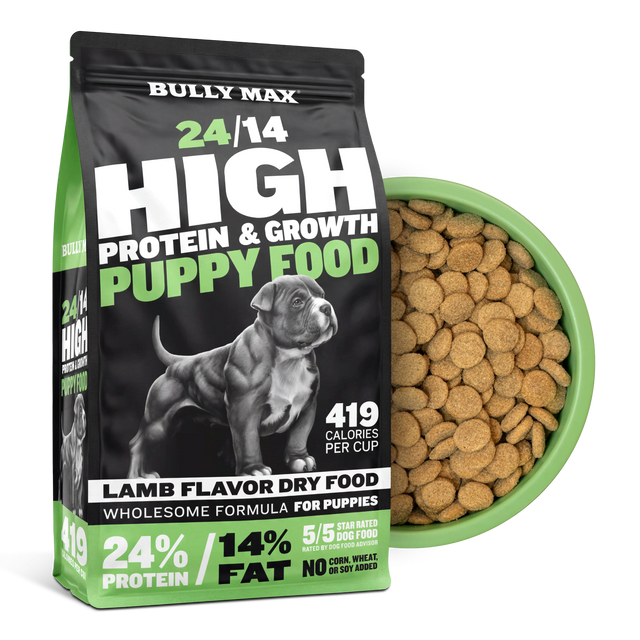
Nutrition does a lot of the work here. A food built for growth gives your puppy the protein and calories a growing body needs, with TruMune to support digestion and immune health.

START YOUR PUPPY ON BULLY MAX 24/14 PUPPY FOOD
Made for growing puppies with 24% protein, real lamb, and TruMune to support digestion and immune health.
Puppy Vaccination Schedule
Puppies get a series of combination shots because the antibodies they get from their mother's milk can block a vaccine from working. Since you can't tell exactly when those antibodies fade, the shots are repeated until the puppy is old enough that the last one counts. This is the typical pattern; your vet will set the exact timing for your puppy.
| Age | Typical vaccines |
|---|---|
| 6 to 8 weeks | First DHPP combination shot |
| 10 to 12 weeks | DHPP booster; non-core vaccines such as leptospirosis or Bordetella may start, based on risk |
| 12 to 16 weeks | DHPP booster; rabies (timing set by state and local law); second dose of any non-core series |
| 16 weeks or older | Final DHPP shot of the puppy series |
| About 1 year | Boosters for DHPP and rabies, plus non-core vaccines your vet recommends |
| Adult | Core boosters every 1 to 3 years, depending on the vaccine, your vet's advice and local law |
Two points owners often get wrong: the puppy series should continue until at least 16 weeks of age, and a puppy is not fully protected after the first shot. Until the series is finished, keep your puppy away from places where unknown dogs go, like dog parks and pet store floors.
Can You Give Puppy Shots at Home?
In many states it's legal for owners to buy and give some vaccines, like the 5-in-1 combo, to their own dogs. Rabies is different: in most of the U.S. it must be given by or under a licensed veterinarian, and a home-given rabies shot generally won't be recognized. Check your state and local rules.
Being allowed to vaccinate at home isn't the same as it being the best choice. Here are the risks to weigh:
Risks of vaccinating at home
- Storage problems. Vaccines must stay refrigerated and must not freeze. A vial that got warm in the truck or sat in the wrong spot in the fridge may not protect your puppy, and you won't know it.
- No exam first. Vaccinating a puppy that is already sick or carrying parasites can mean a poor response. A vet checks temperature, heart, weight and stool before shots.
- Reactions. Most puppies have no more than a sore spot or a sleepy day, but serious allergic reactions can happen, usually within minutes to hours. They need emergency care.
- Technique and timing mistakes. The wrong injection site, a reused needle, or gaps in the schedule can leave a puppy unprotected or cause injection-site problems.
- Records. Boarding kennels, groomers, daycares and trainers usually want vet-signed vaccine records. A home-given shot may have to be repeated.
- No rabies. You'll still need a vet visit for the rabies vaccine.
If You Plan to Vaccinate at Home
If you've weighed the risks and still want to give some shots yourself, set yourself up to do it safely:
- Talk to your veterinarian first. Ask which vaccines your puppy needs, the schedule, and whether they'll show you or a family member the correct technique in person.
- Buy from a reputable seller that keeps vaccines refrigerated. Check the expiration date and bring a cooler with ice packs for the trip home. Store vaccines in the refrigerator, not the door, and never let them freeze.
- Only vaccinate a healthy puppy. If your puppy has diarrhea, vomiting, coughing, a runny nose or isn't eating, wait and call your vet.
- Keep records. Save the vaccine label sticker, lot number, date and your receipt for every shot.
- Watch your puppy afterward and know where your nearest emergency vet is before you start.
- Dispose of needles safely in a sharps container and never reuse a syringe.
Keep a few soft treats on hand. They help keep your puppy relaxed at any vet visit or check-up and give you a quick way to reward them once it's done.

MAKE PUPPY TRAINING MORE REWARDING
Soft bite-sized treats with real beef, 22% protein, and DHA to support growth and brain development while your puppy learns.
What to Watch for After Puppy Shots
Mild reactions are common and usually pass within a day or two:
- A little soreness or a small bump where the shot was given
- Sleepiness or less interest in play
- Slightly reduced appetite
- A mild fever
Get emergency veterinary care right away if your puppy has facial or muzzle swelling, hives, repeated vomiting or diarrhea, trouble breathing, weakness or collapse. Call your vet if a lump at the injection site grows or lasts more than a few weeks.
Ways to Save on Puppy Vaccines Without Doing It Yourself
If cost is the reason you're considering home vaccination, there are often cheaper options than a full-price office visit:
- Low-cost vaccine clinics run by shelters, rescues and humane societies
- Vaccine-only appointments or clinic days at local vet practices
- Puppy wellness plans that bundle the full shot series and exams
- Mobile vets and community vaccine events
Ask your breeder or rescue what shots your puppy already had, and bring that record to the first appointment so your puppy doesn't get extra doses.
Protect Your Puppy Until the Series Is Done
Parvovirus and distemper can be deadly for puppies, and parvo can survive in the environment for a long time. Until your vet says the vaccine series is complete:
- Skip dog parks, pet store floors and busy dog areas
- Socialize with healthy, fully vaccinated adult dogs you know, in clean places
- Carry your puppy in public places instead of letting them walk on the ground
- Call your vet right away for vomiting, bloody diarrhea, or a puppy that stops eating or seems weak
Safe socializing still matters during this window. See our guide to how to socialize a puppy and our beginner's guide to puppy health for more.
A healthy start also depends on what goes in the bowl. Our 24/14 puppy food is made for growing puppies, with 24% protein, real lamb and TruMune to support digestion and immune health.
GIVE YOUR PUPPY BULLY MAX 24/14 PUPPY FOOD
Made for growing puppies with 24% protein, real lamb, and TruMune to support digestion and immune health.
Frequently Asked Questions
When do puppies get their first shots?
Most puppies get their first combination (DHPP) shot at about 6 to 8 weeks of age, then boosters every few weeks until they are at least 16 weeks old. Your vet will set the exact schedule.
What is a 5-in-1 puppy shot?
It's a combination vaccine that protects against the core puppy diseases, such as distemper, adenovirus, parainfluenza and parvovirus. It does not include rabies.
Can I give my puppy a parvo shot at home?
In many states owners can buy combination vaccines that include parvo, but storage and handling mistakes are common and a home shot skips the exam that catches a sick puppy. Talk to your vet first, and consider a low-cost vaccine clinic instead.
Is my puppy protected after the first shot?
No. One shot isn't enough. Puppies need the full series, ending at 16 weeks or older, before they're considered protected. Keep them away from unknown dogs and high-traffic dog areas until then.
Can I give my dog a rabies shot at home?
In most of the U.S., no. Rabies vaccines must be given by or under a licensed veterinarian to be legally recognized.
My puppy started shots late or missed a booster. What now?
Don't guess or double up. Call your vet with the dates and the exact vaccine given (keep the label), and ask whether to stay with the same product for boosters. They will set a catch-up plan based on your puppy's age and history. Older puppies often need fewer doses to finish the series. Until then, keep your puppy away from unknown dogs.
The Bottom Line
Puppy shots are one of the most important things you'll do in your dog's first year. A vet or low-cost clinic is the safest way to get them done right and on record. If you do vaccinate at home, do it with your vet's guidance, handle vaccines carefully and keep every record. Then build on that healthy start with good food and a steady routine: see our new puppy checklist, our puppy daily schedule and Bully Max 24/14 High Protein & Growth Puppy Food.


18 comments
Ilang beses po cya bigyan Ng shots 3 beses lng po ba?
SO I gave my puppy his parvo shot, for his next shot do i need to give him the same shot i gave him the first time
or is there another one i need to give him?
Do I let the 5n1 shot get room temp before injecting or just straight out of frig
My dog was recently diagnosed with diabetes. She is almost blind with cataracts. First week of insulin was easy with no fight. Yesterday, my dog bit me when I injected her. She’s starting to get apprehensive when it’s medicine time. How do I get her to relax and keep her from biting me again? Do I have to muzzle her or is that going to stress her even more?
Hi Chrysoula, If your dog is becoming aggressive it would be a good idea to muzzle her while giving her the shot. Be sure to reward her with a treat when she takes the insulin without a fight. No matter how painful it may be at first, she will eventually get used to the routine. Best of luck!