Why Some Vets Recommend Certain Dog Foods — And What Dog Owners Should Know
When a veterinarian recommends a dog food, it is usually a sincere recommendation from someone who cares about your dog. It also helps to know how the pet food industry works: large pet food companies have long supported veterinary schools, student programs and continuing education, and many clinics sell certain brands. None of that makes a recommendation wrong. It does mean you should still compare the nutrition, ingredients and cost per day of any food yourself.
Below is a plain-language look at how vet recommendations can be shaped, what that means for you, and a simple checklist for judging any food, including ours.
How Dog Food Companies Influence Vet Recommendations
1. Pet food companies support veterinary education
Major pet food manufacturers have a long history of supporting veterinary schools and students, through donated products for school fundraising, scholarships, student programs and educational materials. The American Veterinary Medical Association's news service has covered how schools have tightened ethics policies around this kind of industry support, because sponsorship can shape habits and perceptions even when no one intends it to.
Source: JAVMA News (AVMA), "Learning under the influence," November 2011
https://www.avma.org/javma-news/2011-11-01/learning-under-influence
2. Clinics earn retail margins on the foods they sell
When a clinic stocks and sells specific brands, including therapeutic or "prescription" diets, it earns a margin, just like any other retailer. That naturally affects which foods a clinic chooses to stock and has on hand to recommend.
3. Sponsored continuing education and industry events
Pet food companies commonly sponsor continuing-education events, seminars and conferences. This is normal in many industries, but it builds familiarity with certain brands over time.
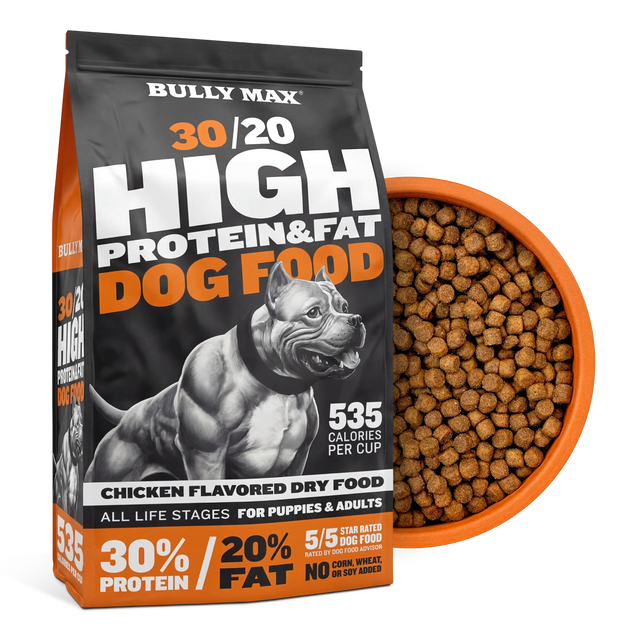
Before we go further, a quick note on fuel: if your dog needs more strength and energy from the bowl, a meat-based, high-protein food is the simplest place to start.

FUEL YOUR DOG WITH BULLY MAX 30/20 HIGH-PROTEIN FOOD
Fuel strength and energy with meat-based nutrition, 30% protein, 20% fat, and 535 calories per cup.
What This Means for Dog Owners
This isn't about blaming veterinarians. Your vet knows your dog's health better than anyone, and if your dog has a medical condition, follow your vet's diet advice. Therapeutic diets for specific conditions are a different category from everyday food.
For a healthy dog's everyday food, it's reasonable to ask why a particular brand is being recommended and to compare it with other options. Look at the nutrition, the ingredients and the cost per day, not just the brand name.
How to Judge Any Dog Food
- Complete and balanced: does the label say the food meets AAFCO nutrient profiles for your dog's life stage?
- Protein source: is a named animal protein (chicken, beef, lamb, chicken meal) first on the list? See dog food ingredients to look for and avoid.
- Calories per cup: how much food will your dog need each day?
- Cost per day: divide the bag price by the number of days it lasts for your dog, instead of comparing bag prices.
- Safety and track record: how does the company test its food, and what is its recall history?
- Results: after a few weeks, does your dog have good energy, a healthy weight, a good coat and firm stools?
For a deeper look at labels and nutritional adequacy statements, read our guide on how to choose a vet-reviewed dog food.
How Bully Max Is Different
Bully Max does not pay clinics to recommend our food. We would rather you compare the numbers and see the results in your own dog.
- High-performance, meat-based nutrition
- Every batch triple tested for safety
- Zero recalls
- Made in the USA by a family-owned U.S. company founded in 2009
- Dog Food Advisor 5/5 rating and over 50,000 5/5 reviews
- High calories per cup, so you feed less food
Bully Max 30/20 packs 535 calories into every cup, so a bag goes further. Every batch is triple tested for safety, and the brand has zero recalls.
TRY BULLY MAX 30/20 HIGH-PROTEIN DOG FOOD
Fuel strength and energy with meat-based nutrition, 30% protein, 20% fat, and 535 calories per cup.
Calories per Cup: Why It Changes the Real Cost
Calories per cup tell you how much food your dog needs each day. The more calories in each cup, the fewer cups you feed, and the longer a bag lasts. Here is how several widely sold dry foods compare on calories per cup, using figures their makers publish.
| Food | Calories per cup (as published) |
|---|---|
| Bully Max 30/20 High Protein | 535 |
| Purina Pro Plan Complete Essentials | 382 |
| Diamond Naturals | 406 |
| Taste of the Wild | 410 |
| Blue Buffalo Life Protection | 379 |
| Orijen Original | 473 |
Calories per cup as published by each manufacturer for the named recipe at the time of writing. Recipes and figures change; check the current label.
A food with fewer calories per cup means more scoops per day and more bags per month, which can make it cost more over time even if the bag looks cheaper. To run the numbers for your own dog, use our dog food calculator, see why Bully Max costs less per day, or compare foods side by side with our Dog Food Comparison Tool.
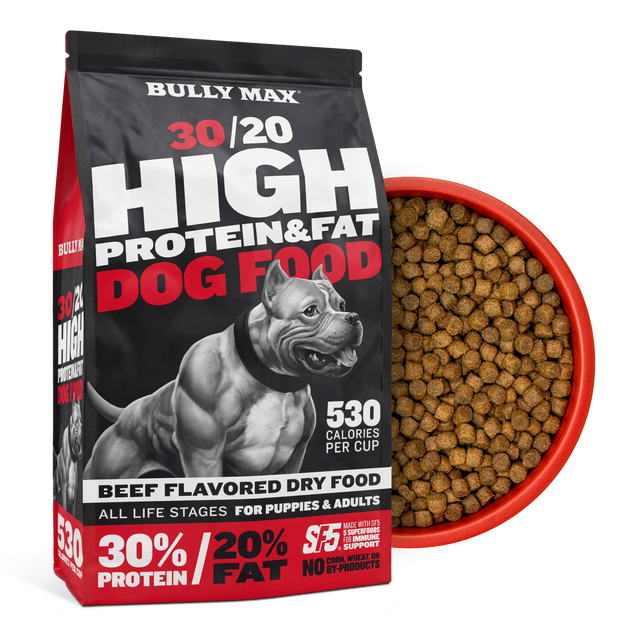
If your dog does better on a chicken-free recipe, the 30/20 beef formula offers the same 30% protein and 20% fat.

TRY BULLY MAX 30/20 HIGH-PROTEIN BEEF DOG FOOD
Chicken-free, meat-based nutrition with 30% protein, 20% fat, and 530 calories per cup for strength and energy.
The Bottom Line
This article isn't about taking shots at veterinarians. It's about giving dog owners the full picture. Industry relationships exist, and it's fair to know about them. When you compare foods on real measures, like ingredient quality, calories per cup, cost per day, safety testing and how your dog does on it, you can make the choice with confidence.
If you want high-performance, meat-based nutrition with 535 calories per cup, start with Bully Max 30/20 and save 10% with autoship. Not sure how much to feed? See how much to feed your dog.