10 Common Pitbull Health Issues and Their Symptoms
The most common pitbull health issues are skin allergies, hip dysplasia, torn knee ligaments (CCL tears), hypothyroidism and skin problems such as mange. Some pit bull-type dogs can also inherit specific conditions, including heart disease, ichthyosis (a scaly skin disorder) and cerebellar ataxia. Pit bulls are generally hardy, athletic dogs that live about 12 to 14 years, and knowing the early signs of these problems helps you catch them while they are easiest to manage.
"Pit bull" covers several related breeds and types, including the American Pit Bull Terrier, American Staffordshire Terrier and Staffordshire Bull Terrier, and many American Bullies share the same risks. This guide covers the most common problems, the symptoms to watch for, and what you can do to keep your pit healthy.

Common Pitbull Health Issues at a Glance
| Condition | Common signs |
|---|---|
| Skin allergies | Itching, licking paws, red skin, ear infections |
| Demodectic mange | Patchy hair loss, often on the face and legs of young dogs |
| Hip dysplasia | Stiffness, bunny-hopping, trouble getting up |
| CCL (knee ligament) tear | Sudden back-leg limp, toe-touching |
| Hypothyroidism | Weight gain, low energy, thin or dull coat |
| Heart disease | Murmur, tiring easily, coughing, fainting |
| Ichthyosis | Flaky, scaly skin from puppyhood |
| Cerebellar ataxia (NCL-A) | Wobbly, uncoordinated walking in young adults |
| Cataracts | Cloudy eyes, bumping into things |
| Sunburn and skin damage | Red, crusty skin on light-colored areas |
If your pit shows any of these signs, or anything else that worries you, see your vet.
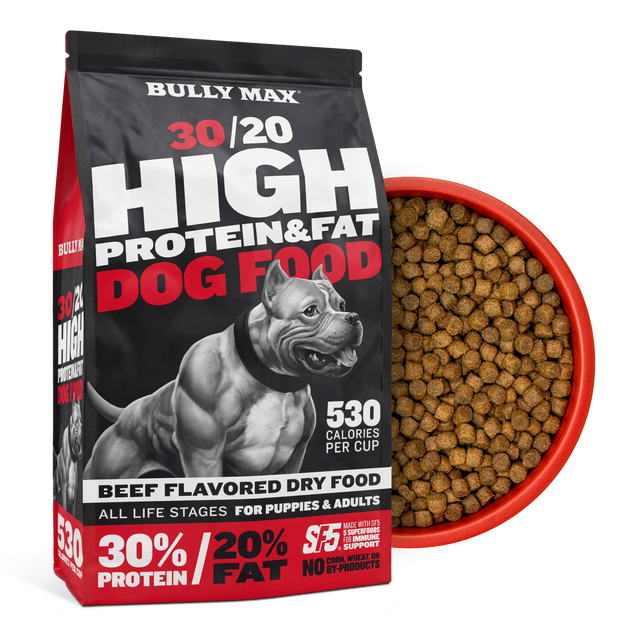
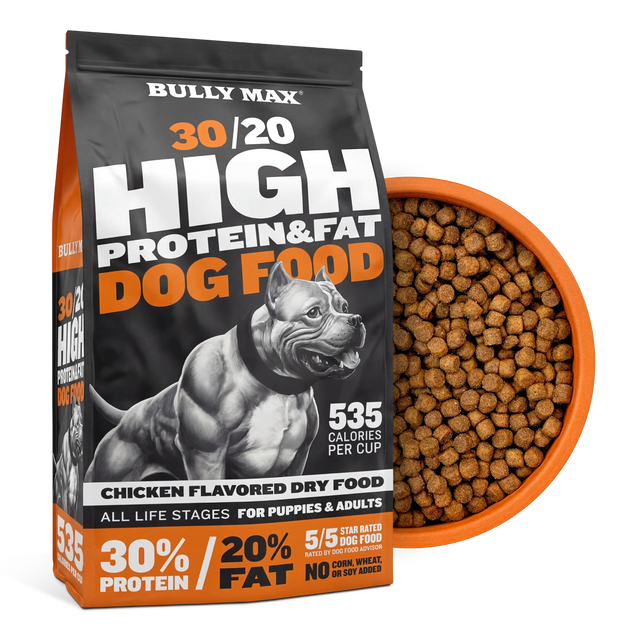
Before we go further, a quick note on fuel: if your pit bull needs more strength and energy from the bowl, a meat-based, high-protein food is the simplest place to start.

FUEL YOUR DOG WITH BULLY MAX 30/20 HIGH-PROTEIN FOOD
Fuel strength and energy with meat-based nutrition, 30% protein, 20% fat, and 535 calories per cup.
Pitbull Skin Problems
1. Skin Allergies
Allergies are one of the most common pitbull health issues. Pit bulls are prone to atopic dermatitis (environmental allergies to things like pollen, dust mites and grasses), and some react to food ingredients (see our guide to the best dog food for allergies). Flea allergy is common too.
Signs include itching, licking or chewing the paws, red skin on the belly and armpits, hives, hair loss and repeated ear or skin infections. Allergies are usually lifelong, but they can be managed well with your vet's help, flea control and, for food allergies, a vet-guided elimination diet. See our posts on Benadryl and allergies in dogs and dry, brittle coats.
2. Demodectic Mange
Demodex mites live on most dogs without causing problems. In some dogs, especially puppies and young dogs with immature immune systems, the mites overgrow and cause patchy hair loss, often around the eyes, mouth and front legs. Pit bulls are among the breeds that get it more often. Many mild cases in puppies resolve, but widespread mange needs vet treatment. It is not contagious to people.
3. Ichthyosis
Ichthyosis is an inherited skin disorder seen in American Pit Bull Terriers and American Bullies. Affected dogs have flaky, scaly skin from a young age, often with grayish scales and greasy patches. It is lifelong, but medicated shampoos and moisturizing routines from your vet help. A DNA test can identify carriers, so responsible breeders test for it.
4. Sunburn and Skin Damage
Pit bulls have short coats, and those with white or light coats and pink skin can sunburn, especially on the belly, nose and ears. Repeated sun damage raises the risk of skin cancer. Limit midday sun, provide shade and ask your vet about pet-safe sun protection.
Pitbull Joint and Mobility Problems
5. Hip Dysplasia
Hip dysplasia is an inherited condition where the hip joint does not form properly, causing looseness, pain and eventually arthritis. Signs include stiffness, reduced range of motion, a bunny-hopping gait, difficulty climbing stairs and limping.
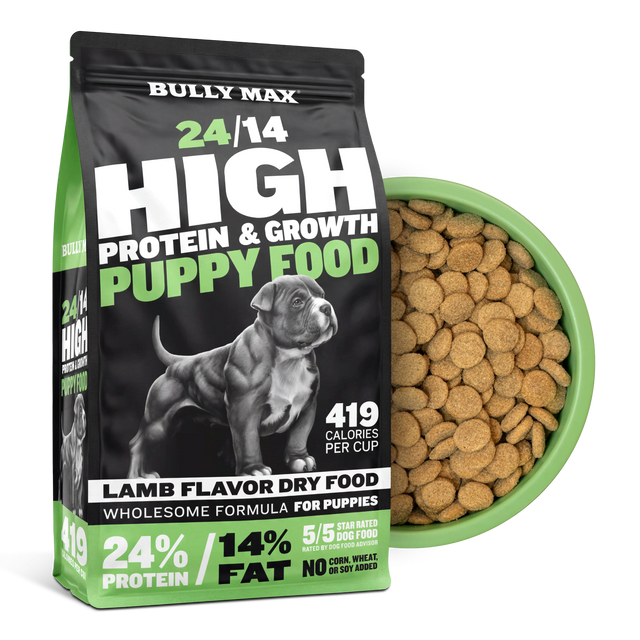
Keeping your pit lean is one of the best things you can do to protect their hips. Use our guide to average pitbull weight and size to see where your dog should be. For dogs that gain weight easily, a lower-fat food like our 25/11 Lamb recipe can help. Severe cases may need medication, physical therapy or surgery.
6. Torn Cruciate Ligament (CCL)
Strong, athletic dogs that sprint, jump and turn hard are prone to tearing the cranial cruciate ligament in the knee, the dog version of an ACL tear. It usually shows up as a sudden back-leg limp. Many dogs need surgery for a full tear. Extra weight raises the risk. Read more in why is my dog limping.
Other Common Pitbull Health Problems
7. Hypothyroidism
Hypothyroidism means the thyroid gland does not make enough hormone, which slows metabolism. It most often appears in middle-aged dogs. Signs include weight gain without eating more, low energy, a thin or dull coat, hair loss, skin infections and seeking warmth. A blood test diagnoses it, and it is usually managed well with daily medication your vet prescribes.
8. Heart Disease
Some pit bull-type dogs can inherit heart conditions, such as aortic stenosis (a narrowing near the heart valve). Mild cases may cause no symptoms and are often first found as a heart murmur at a checkup. More severe cases can cause tiring easily, coughing, breathing trouble or fainting. Ask your vet to listen to your dog's heart at every visit, and ask breeders about cardiac screening.
9. Cerebellar Ataxia (NCL-A)
Cerebellar ataxia is an inherited neurological disease seen mainly in American Staffordshire Terriers and related dogs. Signs usually start in young adulthood and include a wobbly, uncoordinated walk, stumbling and trouble with balance that gradually worsens. It cannot be reversed, but a DNA test lets breeders avoid producing affected puppies.
10. Cataracts
Cataracts cloud the lens of the eye and can lead to vision loss. They can be inherited or caused by other conditions such as diabetes. Signs include cloudy-looking eyes and bumping into things. Cataracts cannot be reversed with medication; surgery is the treatment when vision is significantly affected, so have your vet check any cloudiness early.
Bloat
Bloat (gastric dilatation-volvulus) is an emergency in which the stomach fills with gas and can twist. It is most common in large, deep-chested dogs but can happen to any dog. Signs include a swollen belly, retching without vomiting, drooling, restlessness and weakness. If you see these, go to an emergency vet immediately. Feeding smaller meals and avoiding hard exercise right after eating are commonly recommended.
How Long Do Pitbulls Live?
Pit bulls typically live around 12 to 14 years. Genetics, weight, exercise, diet and routine vet care all play a role. Keeping your dog at a healthy weight is one of the most powerful things you can control. Lean dogs put less stress on their joints and generally stay more active as they age.
Keeping Your Pitbull Healthy
- Choose a health-tested puppy. Ask breeders about hip and elbow scores, cardiac exams and DNA tests for conditions like ichthyosis and NCL-A. Our guide to owning a pitbull puppy has more tips.
- Keep them lean and fit. Pit bulls need daily exercise; see how much exercise a pitbull needs.
- Feed a complete, meat-based diet. Active, muscular dogs need quality protein and enough fat for energy and a healthy coat.
- Stay on parasite prevention. Fleas and ticks worsen skin problems and spread disease.
- Keep up with checkups. Annual exams (twice a year for seniors) catch heart murmurs, thyroid problems and joint issues early.
- Know your dog's normal. Changes in weight, energy, coat, appetite or gait are often the first sign something is off.
Proper Nutrition for Your Pitbull
Pit bulls are high-energy, muscular dogs, and they need a diet that keeps them strong and lean. Look for a complete, meat-based food with solid protein and fat levels, and feed the right amount for your dog's size and activity. Our guide to the best dog food for pitbulls explains what to look for.

Bully Max is a family-owned U.S. company founded in 2009, and our food is made for high-performance dogs like pit bulls. A high-protein, meat-based food gives strong, athletic dogs the fuel they need.
FUEL YOUR PIT BULL WITH 30/20
Meat-based nutrition with 30% protein, 20% fat and 535 calories per cup for strong, athletic dogs. Every batch is triple tested for safety.
Bully Max Understands Pitbull Health Issues
Pit bulls are generally healthy, hardy dogs, and most of the problems above are manageable when caught early. If you notice any of the symptoms in this article, see your vet. Then focus on the basics you control every day: a lean body weight, daily exercise, good food and regular checkups.
For an easy daily add-on, our 9-in-1 Vitality Chews combine joint, immune, heart, gut, skin and coat support in one bacon-flavored soft chew.

SUPPORT DAILY HEALTH WITH BULLY MAX 9 IN 1
Easy bacon-flavored soft chews with gut, joint, immune, skin, coat, heart, and brain support in one daily chew.
FAQ: Pitbull Health
What are pitbulls most prone to?
Skin allergies, hip dysplasia, CCL tears, hypothyroidism and skin conditions such as mange. Some lines also carry inherited heart, skin (ichthyosis) and neurological (NCL-A) conditions.
Are pitbulls healthy dogs?
Generally, yes. They are athletic and hardy, but like every breed they have some inherited risks, so health-tested parents and good everyday care matter.
Why does my pitbull itch so much?
Allergies are the most common reason, followed by fleas and skin infections. See your vet to find the cause.


3 comments
My pitbull is displaying some signs of being off balance or “drunk”. Have you heard of a related illness.
This is great information for me to study and excellent education knowledge for me thanks a lot for the knowledge 👍👍👍👍👍
I look forward to doing business with Bully Max, I have a male American Atypical Bully, his name is Chopper now a 2year stud, he is my rescue, and I want to know and learn so much about him, to genetically mapping him x 10!