Dog Not Eating but Drinking Water: Causes and What to Do
A dog that won’t eat but is still drinking water is most often dealing with something short-term, like an upset stomach, stress, heat, a recent vaccine or a food it doesn’t want. The fact that your dog is still drinking is a good sign. But skipping food can also be the first sign of dental pain, nausea or an illness, so call your vet if an adult dog hasn’t eaten in about 24 hours, sooner for puppies, small dogs and seniors, and right away if anything else seems wrong.
Dog not eating but drinking water: at a glance
- Usually mild: one skipped meal in a dog that is otherwise acting normal, with normal stools and normal drinking.
- Call your vet: an adult dog has eaten nothing for about 24 hours, a puppy has skipped more than a meal or two, or your dog is a senior or has a health condition.
- Go now: vomiting that won’t stop, retching with nothing coming up, a swollen belly, collapse, pale gums, trouble breathing, or a chance your dog ate something toxic.
- Watch the water: drinking much more or much less than normal is a reason to see your vet.
- Once your vet rules out illness: a set routine, a warm wet food or a meaty topper helps most fussy dogs eat again.
When to Call the Vet
Start here. This table is general guidance, not a diagnosis. If you are unsure, call your vet. That is what they are there for.
| Go to a vet now | Call your vet today | Usually OK to watch for 24 hours |
|---|---|---|
| Retching or trying to vomit with nothing coming up, especially with a swollen or tight belly | Adult dog has eaten nothing for about 24 hours | Skipped one meal but is otherwise acting normal |
| Repeated vomiting, or can’t keep water down | Puppy has skipped more than a meal or two | Drinking a normal amount of water |
| Collapse, weakness, pale or gray gums, trouble breathing | Senior dog, or a dog with a known health condition | Normal energy, play and stools |
| May have eaten something toxic, or a toy, bone or sock | Drinking much more, or much less, than usual | An obvious trigger, like a hot day, travel or a new food |
| Blood in vomit or stool | Vomiting once or twice, or diarrhea | Still takes treats or eats when food is warmed |
| Unvaccinated puppy that won’t eat and seems tired | Low energy, hiding, or signs of pain | |
| Unspayed female drinking a lot, not eating and lethargic | Weight loss, or appetite has been off for days |
General guidance only. Your vet’s advice for your dog always comes first.
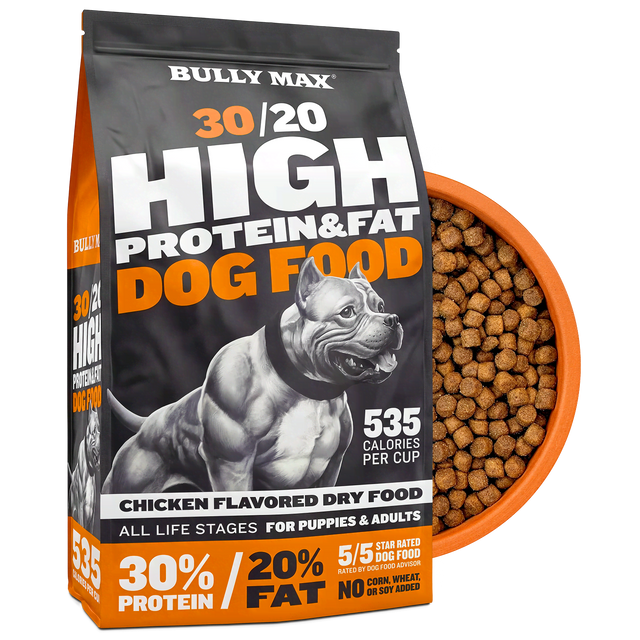
Before we go further, a quick note on fuel: if your dog needs more strength and energy from the bowl, a meat-based, high-protein food is the simplest place to start.

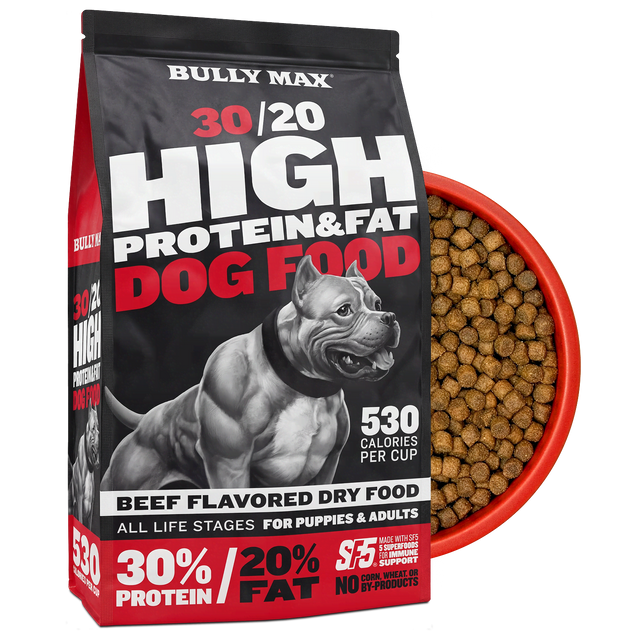
FUEL YOUR DOG WITH BULLY MAX 30/20 HIGH-PROTEIN FOOD
Fuel strength and energy with meat-based nutrition, 30% protein, 20% fat, and 535 calories per cup.
Retching without bringing anything up and a swollen belly can be signs of bloat (GDV), an emergency that is more common in large, deep-chested dogs like Cane Corsos, Great Danes and German Shepherds. Don’t wait on it.
Is It Normal for a Dog to Skip a Meal?
Sometimes, yes. Healthy adult dogs occasionally skip a meal, especially on a hot day, after a big exercise session, after too many treats, or when something in the house has changed. If your dog skips one meal, eats the next one, and is otherwise themselves, it is rarely a concern.
What matters is the pattern. A dog that has been eating well and suddenly refuses food for a full day, refuses treats too, or shows any other symptom needs attention. So does a puppy, a toy breed or a senior, because they have less reserve to draw on.

Why Is My Dog Not Eating but Drinking Water?
Drinking and eating are controlled a little differently. A dog can feel too queasy, sore or stressed to eat and still feel thirsty. Here are the most common reasons, starting with the most likely.
Upset stomach or nausea
Getting into the trash, a new treat, rich table food or a fast food switch can all leave a dog nauseous. Nauseous dogs often drink, lick their lips, drool or eat grass, but turn away from food. Mild cases settle in a day. If it comes with repeated vomiting or diarrhea, call your vet. See what causes upset stomach in dogs and common causes of dog diarrhea.
Dental pain
A broken tooth, gum disease or a mouth injury can make chewing hurt while drinking still feels fine. Watch for dropping food, chewing on one side, drooling, bad breath or pawing at the mouth. Small breeds are especially prone to dental problems; see small dog teeth problems. Your vet can check what you can’t see.
Stress and changes at home
Moving, boarding, travel, guests, storms, fireworks, a new pet or a family member leaving can all shut down appetite for a day or two. Some dogs won’t eat when their person is gone. If it’s anxiety, see how to help with separation anxiety.
Heat and exercise
Dogs naturally eat less and drink more in hot weather or right after hard exercise. That is normal as long as energy is good and appetite comes back when it cools down. Heavy panting, weakness, vomiting or confusion on a hot day is different: that can be heatstroke and needs a vet right away.
A recent vaccine or new medication
It is common for dogs to eat less for a day or so after vaccines. Some medications also upset the stomach. Call your vet if your dog seems very unwell after a vaccine, has facial swelling or hives, or isn’t back to normal within a couple of days. Never stop or change a prescribed medication without asking your vet.
The food itself
A new food your dog doesn’t like, a switch that happened too fast, or kibble that has gone stale can all cause a dog to walk away from the bowl. Too many treats and scraps can also leave a dog with no appetite for dinner. This is the “picky eater” group, and it is covered further down.
Pain elsewhere in the body
Neck pain, back pain or sore joints can make bending to a bowl uncomfortable. If your dog seems stiff, reluctant to move, or only eats when food is lifted up, mention it to your vet.
Illness
Many illnesses reduce appetite while a dog keeps drinking. Some, such as kidney disease, diabetes, liver disease and certain infections, can also make a dog drink more than usual. Pancreatitis, which can follow a fatty meal, often causes vomiting, belly pain and loss of appetite. Only your vet can sort these out, usually with an exam and lab work.
Something swallowed
A toy, sock, bone or corn cob can cause a blockage. Dogs with a blockage often stop eating and may vomit after drinking. If there is any chance your dog swallowed something, call your vet right away.
Infection in an unspayed female
An unspayed female who is drinking a lot, not eating and acting tired, especially in the weeks after a heat cycle, may have a uterine infection called pyometra. It is a serious emergency. See your vet the same day.
Age
Older dogs often eat a little less as they slow down and their sense of smell fades. But a sudden drop in appetite in a senior is never just “old age” until your vet says so. For feeding older dogs, see the best senior dog food.
Causes at a glance
| Possible cause | Other signs to look for | What to do |
|---|---|---|
| Mild upset stomach | Lip licking, grass eating, gurgling, soft stool | Monitor for 24 hours; call your vet if it continues or worsens |
| Stress or change | Recent move, boarding, visitors, owner away | Keep routines calm and familiar; call your vet if it lasts more than a day |
| Heat or hard exercise | Hot day, lots of panting, otherwise normal | Cool down, fresh water; watch for heatstroke signs |
| Dental pain | Dropping food, drooling, bad breath, pawing at mouth | Vet visit |
| Vaccine or medication | Started in the last day or two | Call your vet if it doesn’t pass quickly |
| Food issue or picky eating | Eats treats and favorite foods, normal energy | Fresh food, set routine, see below |
| Illness | Lethargy, vomiting, diarrhea, weight loss, drinking a lot more | Vet visit |
| Swallowed object, toxin, bloat, pyometra | Vomiting, retching, swollen belly, weakness, collapse | Emergency vet now |
General guidance only. Many causes overlap, so when in doubt, call your vet.
How Long Can a Dog Go Without Eating if It’s Drinking Water?
This is the most common question, and the honest answer is: don’t try to find out. A healthy adult dog that is drinking can technically go several days without food, but that doesn’t make it safe to wait. Not eating is a symptom, and the cause might need treatment. A dog that goes without food also loses muscle and condition, which can make recovery slower.
| Dog | Call your vet if not eating for |
|---|---|
| Healthy adult dog, no other symptoms | About 24 hours |
| Puppy | More than a meal or two |
| Toy or very small breed | More than a meal or two, especially young ones |
| Senior dog, or a dog with diabetes, kidney disease or another condition | Sooner. Ask your vet what threshold to use for your dog |
| Any dog with vomiting, diarrhea, lethargy or pain | Don’t wait. Call now |
Thresholds are general guidance. Your vet may give you different advice for your dog.

Is Your Dog Drinking Too Much, or Too Little?
Water intake tells you a lot. A rough rule of thumb is that a dog drinks about 1 ounce of water per pound of body weight a day. Hot weather, exercise and dry food push that up. Wet food pushes it down.
- Drinking about the same as usual: reassuring. Keep watching appetite and energy.
- Drinking much more than usual: a reason to see your vet, especially with a poor appetite. As a general guide, more than about 100 ml per kilogram (roughly 1.5 ounces per pound) a day is considered excessive.
- Drinking less, or vomiting after drinking: your dog can become dehydrated. Call your vet the same day.
To measure, fill the bowl with a known amount in the morning, top it up with measured amounts, and subtract what is left 24 hours later. Write it down. It is useful information for your vet.
Signs of dehydration include dry or sticky gums, sunken eyes, low energy, and skin that is slow to fall back after a gentle pinch at the shoulders. A dehydrated dog needs a vet.
What to Do at Home
If your dog has none of the red flags above and has only missed a meal or so, these steps are safe for most dogs while you watch and wait.
- Keep fresh, clean water available. Change it often.
- Write it down. Note what your dog ate and drank, stools, vomiting, energy and anything unusual. It helps your vet if you need one.
- Stop the treats and scraps. They can upset the stomach and they teach dogs to hold out for better food.
- Offer the normal meal at the normal time. Leave it down for 15 to 20 minutes, then pick it up.
- Make the food more appealing. Warm it slightly, or add a little warm water to release the aroma.
- Check the food. Smell it. Check the date. Stale or rancid food puts dogs off.
- Take a gentle look in the mouth for anything obvious, like a stuck object, a broken tooth or red, swollen gums.
- Keep mealtime quiet. Feed away from other pets and household traffic.
What not to do:
- Don’t give human medicines. Many are toxic to dogs. Ask your vet before giving anything.
- Don’t force-feed. It can cause choking and food aversion.
- Don’t keep switching foods. Rapid changes can make an upset stomach worse.
- Don’t wait it out if any red flag appears.
If your vet says it’s okay, a short-term bland meal of plain cooked chicken and white rice, with no seasoning, onion or garlic, is a common option for a dog with a mild upset stomach. Go back to the regular food gradually once your dog is eating well.
For more on settling a sensitive stomach, read our guide to helping a dog’s upset stomach.

What Your Vet May Check
Knowing what to expect makes the visit easier. Depending on your dog’s signs, your vet may:
- Do a full physical exam, including the mouth, belly, temperature and hydration
- Ask about diet, treats, anything your dog may have eaten, water intake and recent changes
- Run blood work and a urine test to check organs, blood sugar and signs of infection
- Check a stool sample for parasites
- Take X-rays or an ultrasound if a blockage or belly problem is possible
Bring your notes on eating, drinking, stools and vomiting. If you measured water intake, bring that number too.
When the Vet Says It’s Picky Eating
Many dogs that “won’t eat but drink water” turn out to be healthy, just fussy. Once your vet has ruled out a medical cause, the fix is usually a mix of routine and a more appealing bowl.
Start with the routine. Feed two set meals a day, pick the bowl up after about 15 minutes, and skip snacks in between. Most healthy dogs catch on within a few days. Our dog feeding schedule guide lays it out, and this short video from our help center walks through it:
More causes and what to try for a healthy picky eater are in our dog not eating guide.
Then make the bowl worth eating. Picky dogs respond to aroma, and aroma comes from meat and fat. Owners tell us this is exactly why they switched. About 14% of Bully Max customers in our post-purchase survey said a version of “my picky dog finally eats.” Two of them, in their own words:
“We were having a hard time getting her to eat various foods. So we've stuck with this one ever since!”
Bully Max customer, post-purchase survey
“Was never recalled and my Dogs love the taste”
Bully Max customer, post-purchase survey
A small amount of freeze-dried raw beef or salmon mixed through the bowl changes the smell without changing the whole diet. Keep it small, around 10% of daily calories is a common guideline, and only add it at scheduled meals so your dog doesn’t learn to hold out for it.
For a healthy dog that just needs a reason to eat, a meaty topper is the easiest place to start.

MAKE MEALTIME MORE TEMPTING WITH FREEZE-DRIED RAW BEEF
Add real beef, extra protein, and nutrients to any meal. Serve it as a topper, treat, or rehydrated meal.
Some dogs simply prefer soft food. 26/12 Instant Wet Dog Food is a high-protein wet food you make by adding water, with real chicken as the first ingredient. Serve it as a meal or mix a spoonful into kibble. It also helps when a dog is getting back to normal food after a short bland diet your vet recommended, as long as you switch over gradually.
If your dog turns away from hard kibble but is otherwise healthy, try a warm, moist bowl.

TRY BULLY MAX 26/12 WET DOG FOOD
Just add water for a high-protein wet food with real chicken as the first ingredient and 592 calories per cup. One bag makes 5.5 lbs.

Bully Max is a family-owned U.S. company founded in 2009. Our high-performance, meat-based nutrition is made in the USA, every batch is triple tested for safety, and we have zero recalls. We have over 50,000 5/5 reviews and a 5/5 rating from Dog Food Advisor.
Getting Weight Back After a Rough Patch
A few days of poor appetite can take weight off quickly, especially in lean, muscular breeds like pit bulls and American Bullies. Once your dog is eating again and your vet is happy, rebuild slowly with regular meals of a calorie-dense food. Our guides on how to help your dog gain weight the healthy way and causes of sudden weight loss in dogs cover what to watch for. If weight keeps dropping even though your dog is eating, go back to your vet.
FAQ
Why is my dog not eating but drinking water and acting normal?
Common reasons include heat, stress, a recent food change, too many treats or simply not being hungry. If your dog is otherwise normal, monitor for a day. If appetite doesn’t return within about 24 hours, call your vet. Our guide to what causes loss of appetite in dogs covers more causes.
How long can a dog go without eating but drinking water?
Don’t wait to find out. Call your vet if a healthy adult dog hasn’t eaten in about 24 hours, sooner for puppies, small breeds, seniors and dogs with health conditions, and right away if there are any other symptoms.
Why is my dog not eating, drinking lots of water and tired?
Increased thirst with poor appetite and low energy can point to an illness such as kidney disease, diabetes, liver disease or an infection, including pyometra in unspayed females. This combination needs a vet visit, the same day if your dog seems unwell.
My dog is not eating, drinking water and vomiting. What should I do?
Call your vet. Vomiting after drinking can lead to dehydration and can be a sign of a blockage or another serious problem. If your dog is retching without bringing anything up, has a swollen belly or can’t keep water down, go to an emergency vet now.
Why is my senior dog not eating but drinking water?
Older dogs can lose appetite from dental pain, arthritis, a weaker sense of smell, or illnesses that become more common with age, such as kidney disease. A sudden change in a senior should be checked by your vet promptly.
What can I give my dog to stimulate appetite?
At home, try warming the food, adding warm water, or mixing in a small amount of a meaty topper or wet food. If your dog is sick, your vet may prescribe an appetite stimulant after finding the cause. Don’t give any medicine without your vet’s advice.
Ready to put this into practice? Start your dog on a meat-based, high-protein food made in the USA by a family-owned company, with every batch triple tested for safety.
READY TO SWITCH? TRY BULLY MAX 30/20 HIGH-PROTEIN FOOD
Fuel strength and energy with meat-based nutrition, 30% protein, 20% fat, and 535 calories per cup.
The Bottom Line
A dog that isn’t eating but is still drinking is often fine after a day, but not always. Watch for the red flags, call your vet when in doubt, and don’t let an adult dog go much past 24 hours without food. Once your vet rules out illness, a steady routine and a tastier bowl, like a freeze-dried raw topper or 26/12 Instant Wet Dog Food, usually gets a picky dog eating again.